

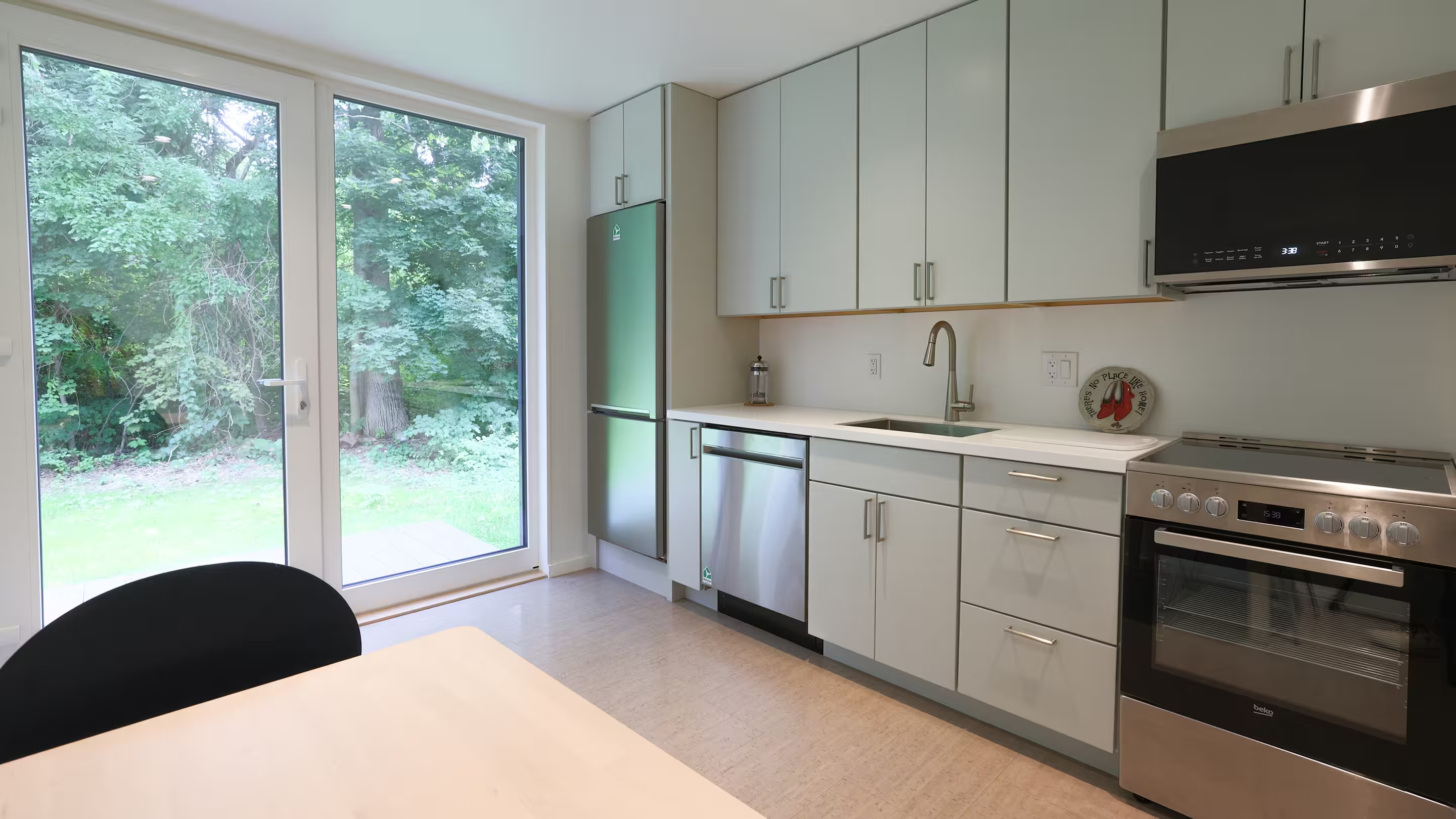
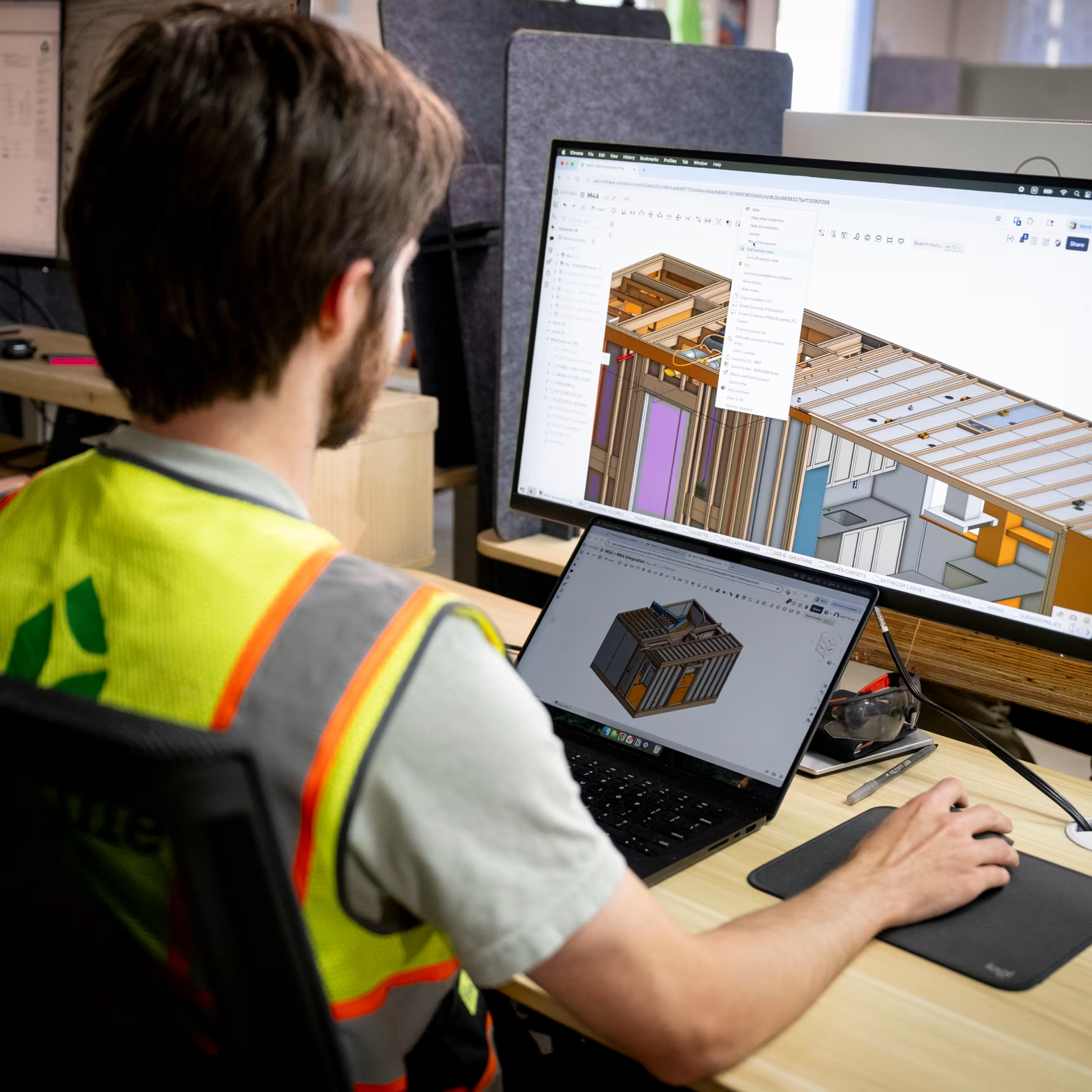
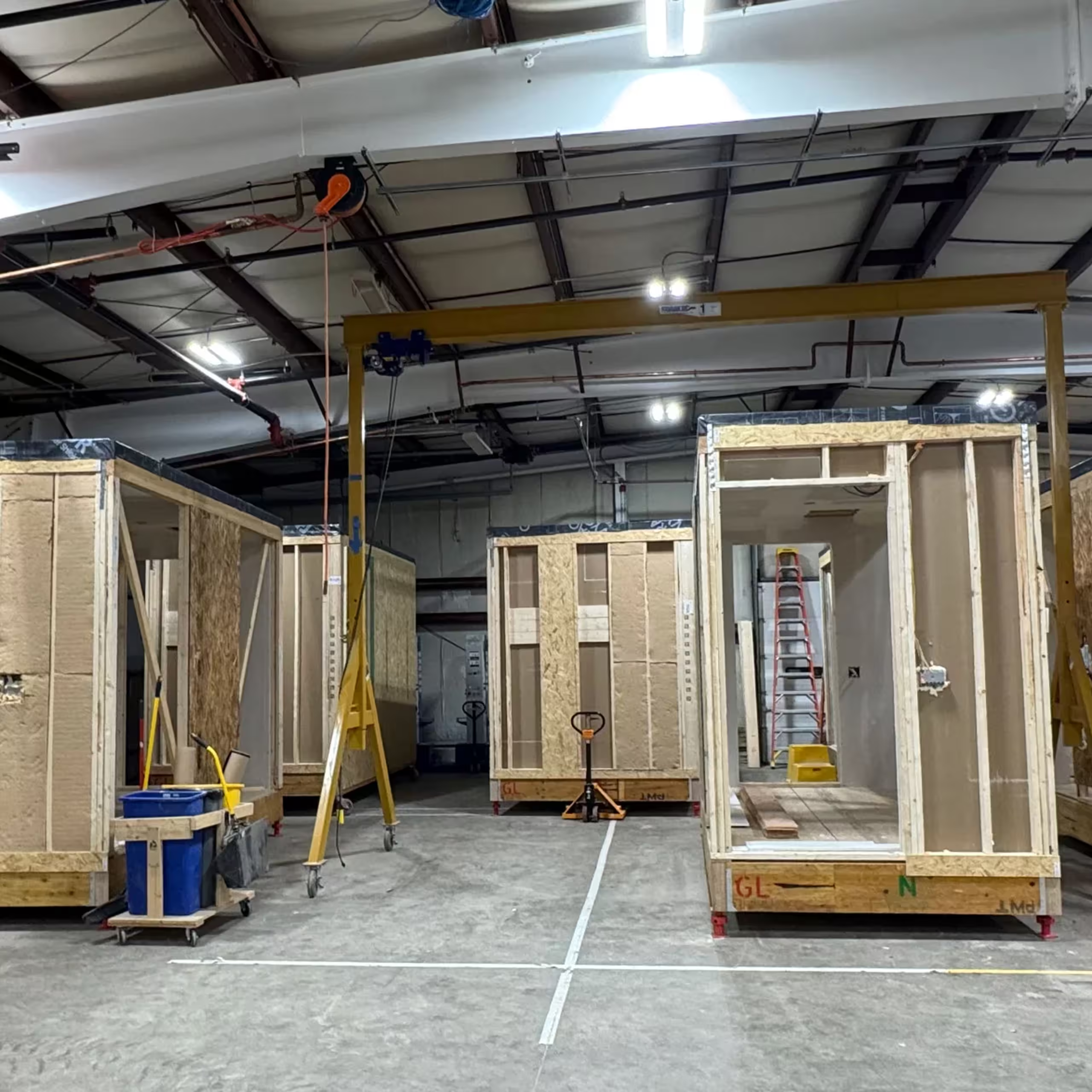
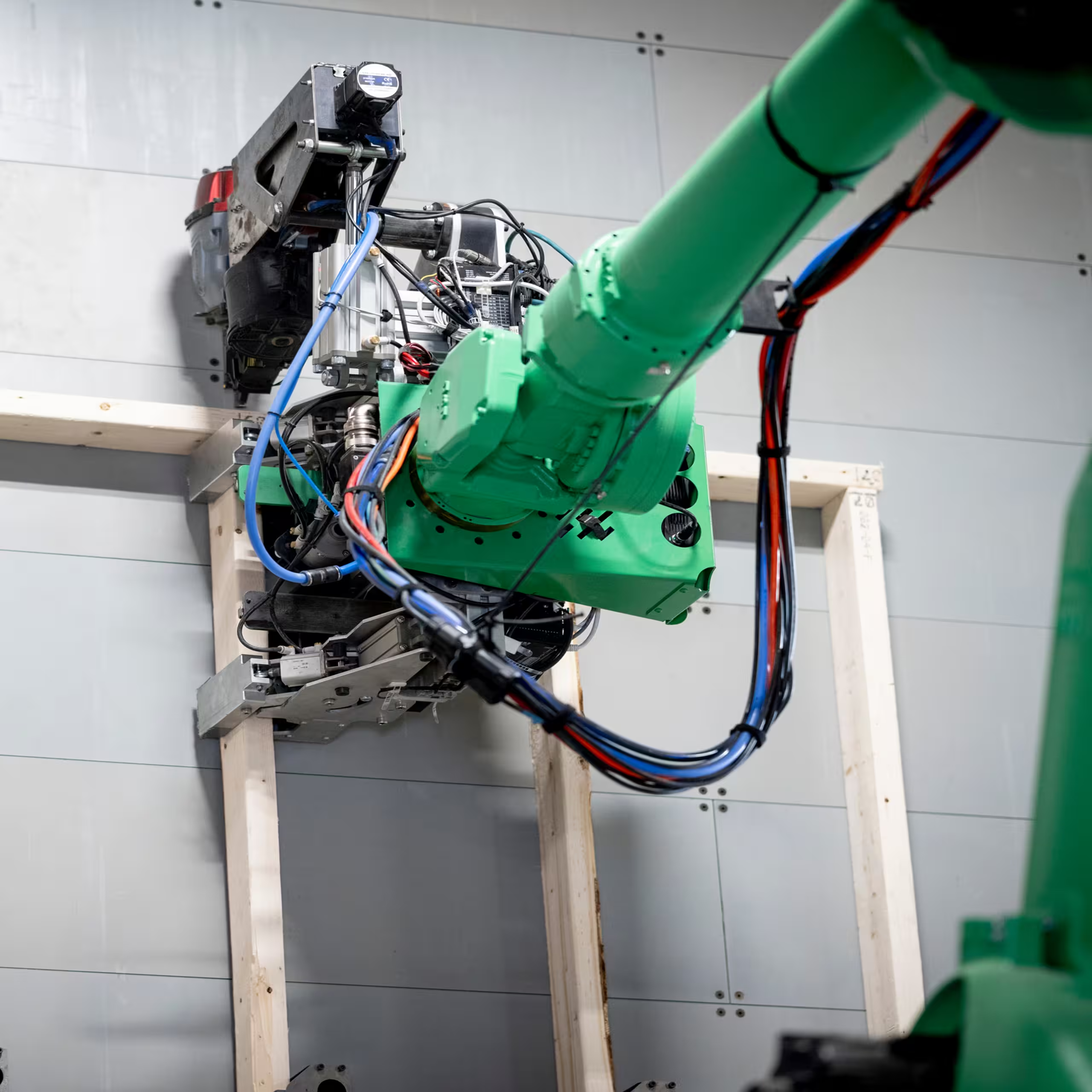
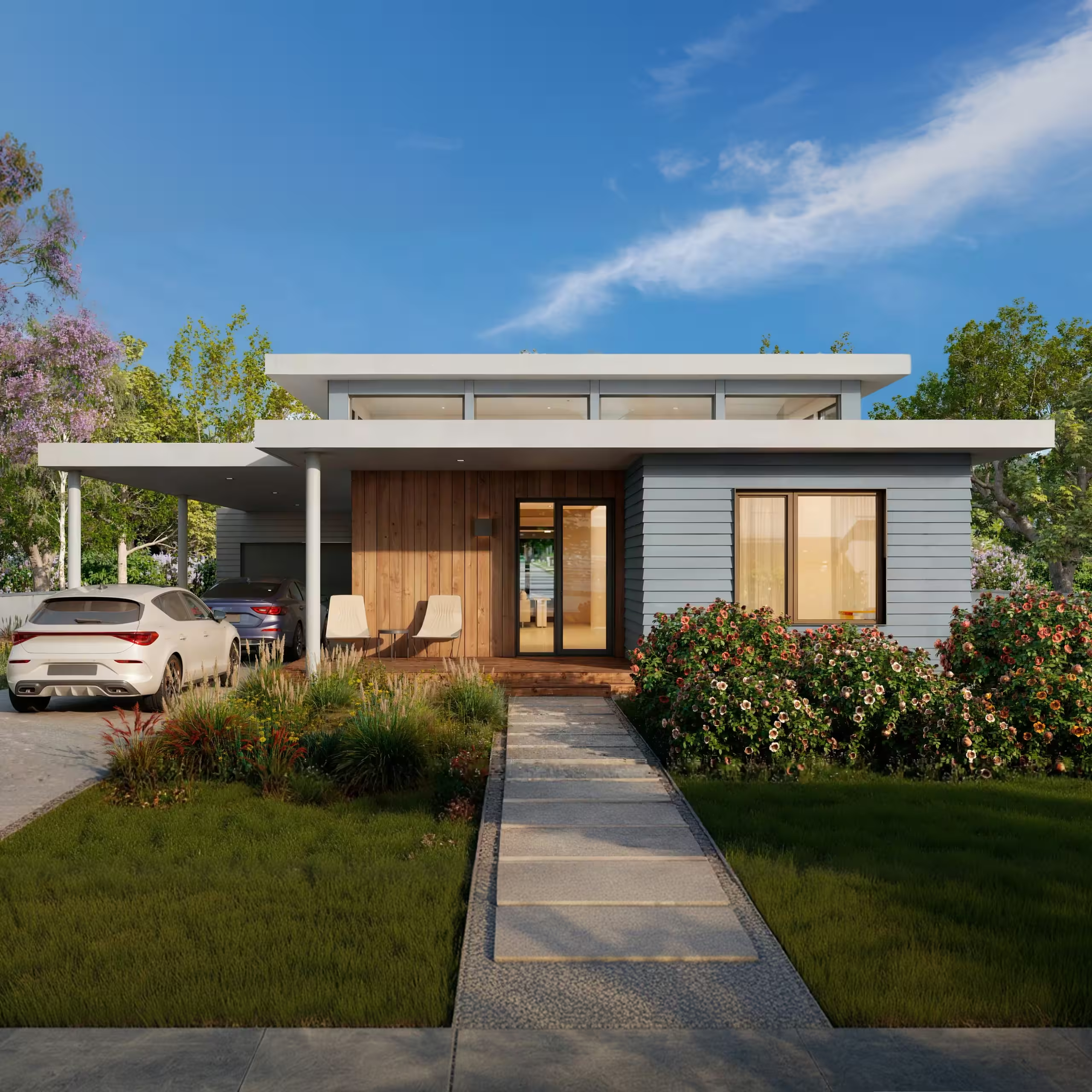
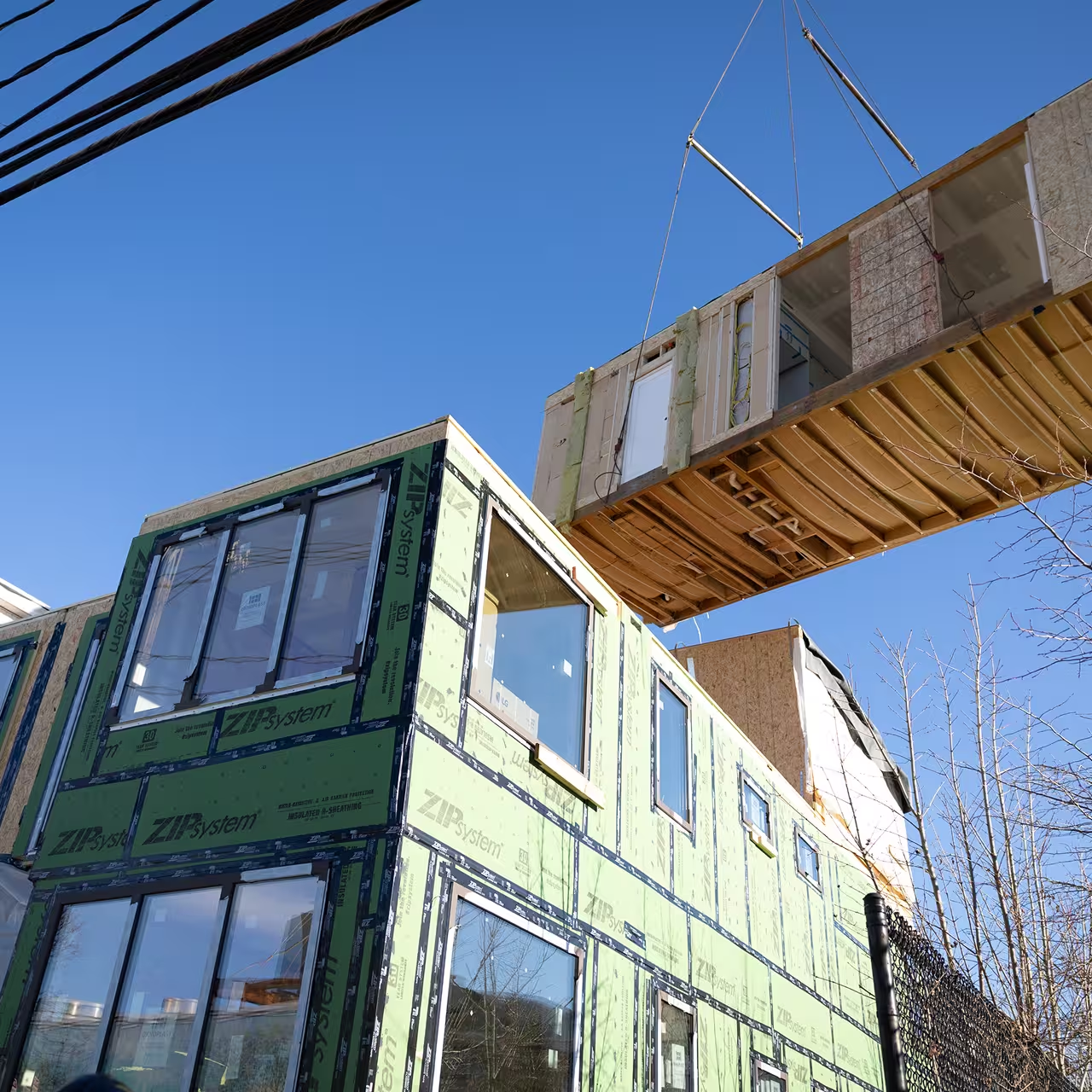
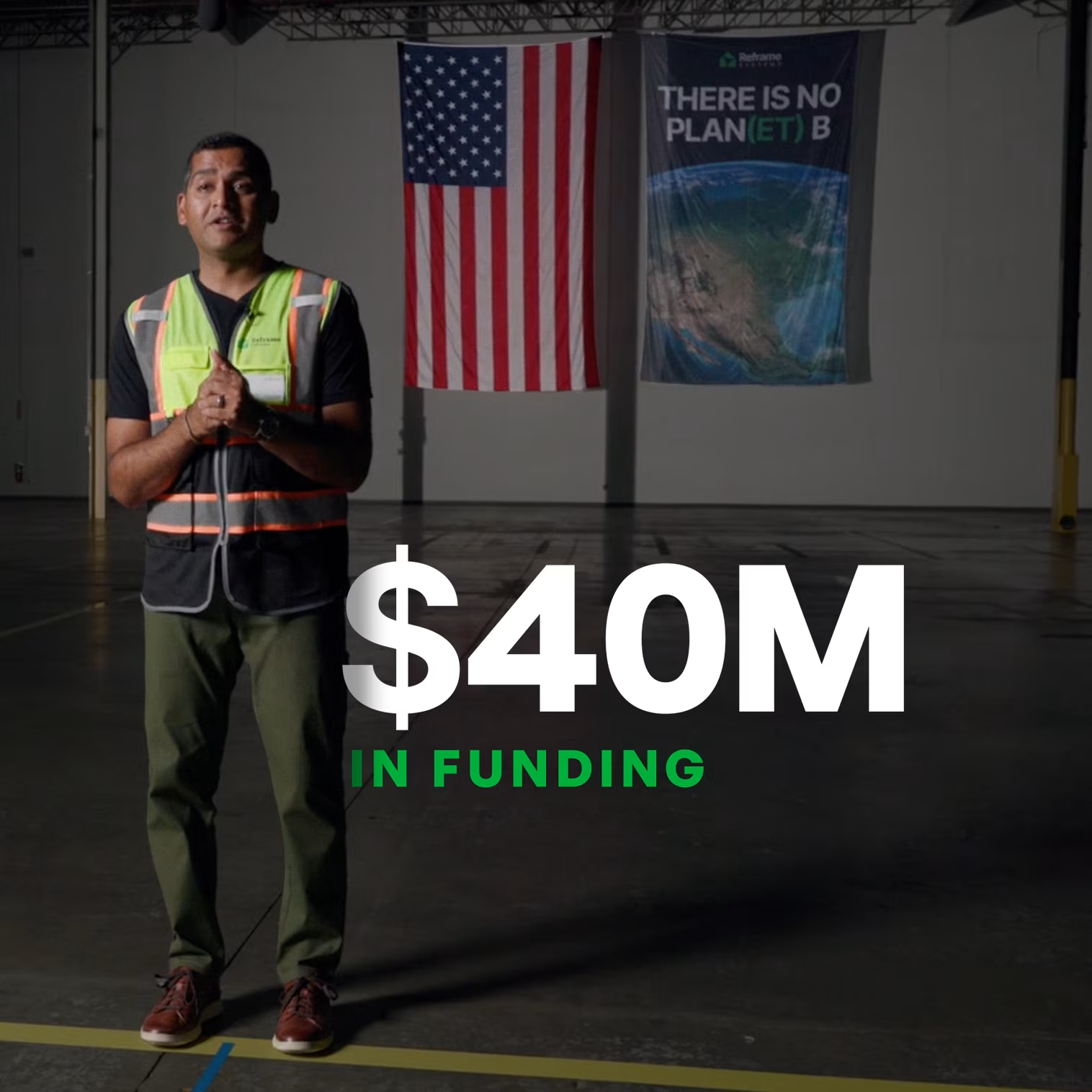
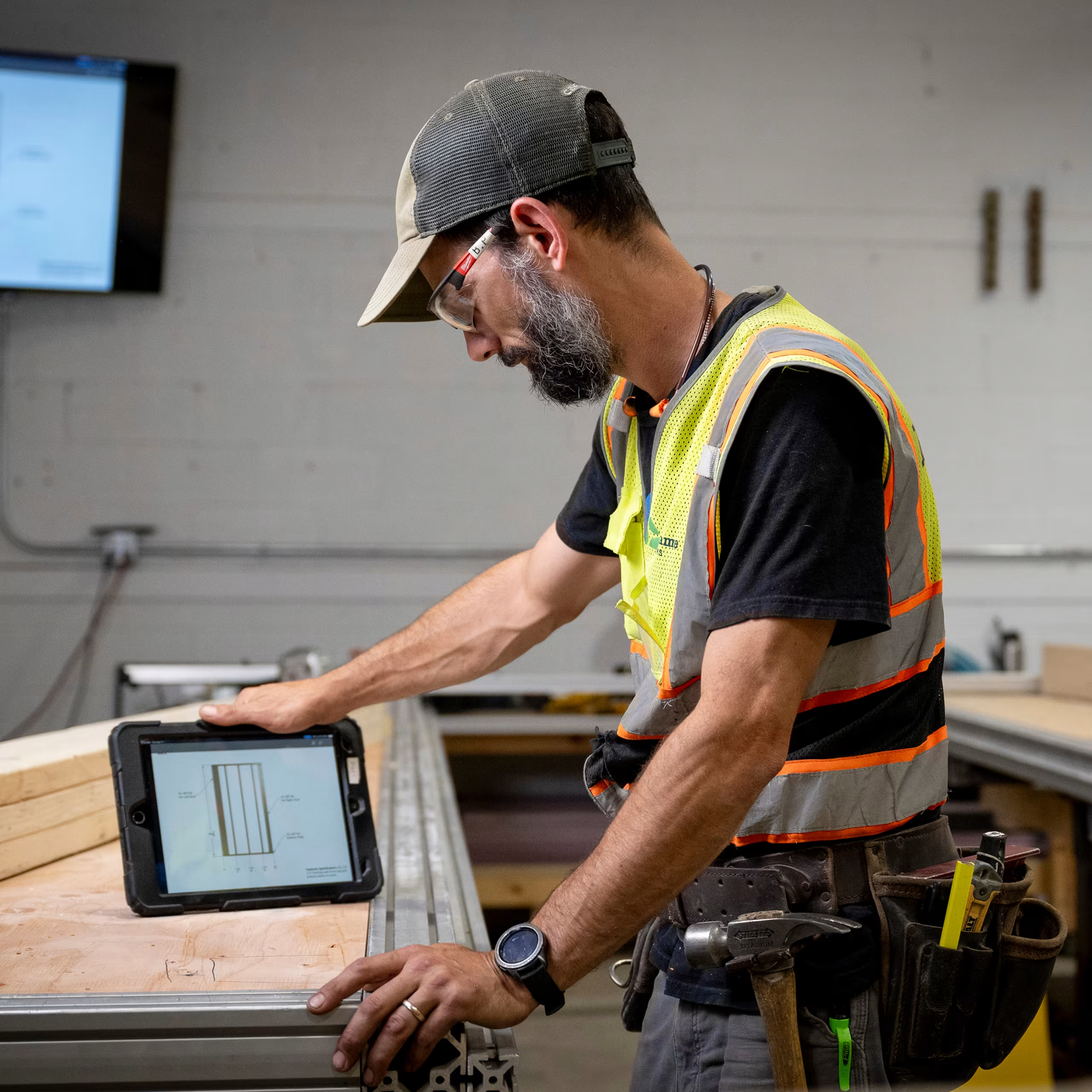
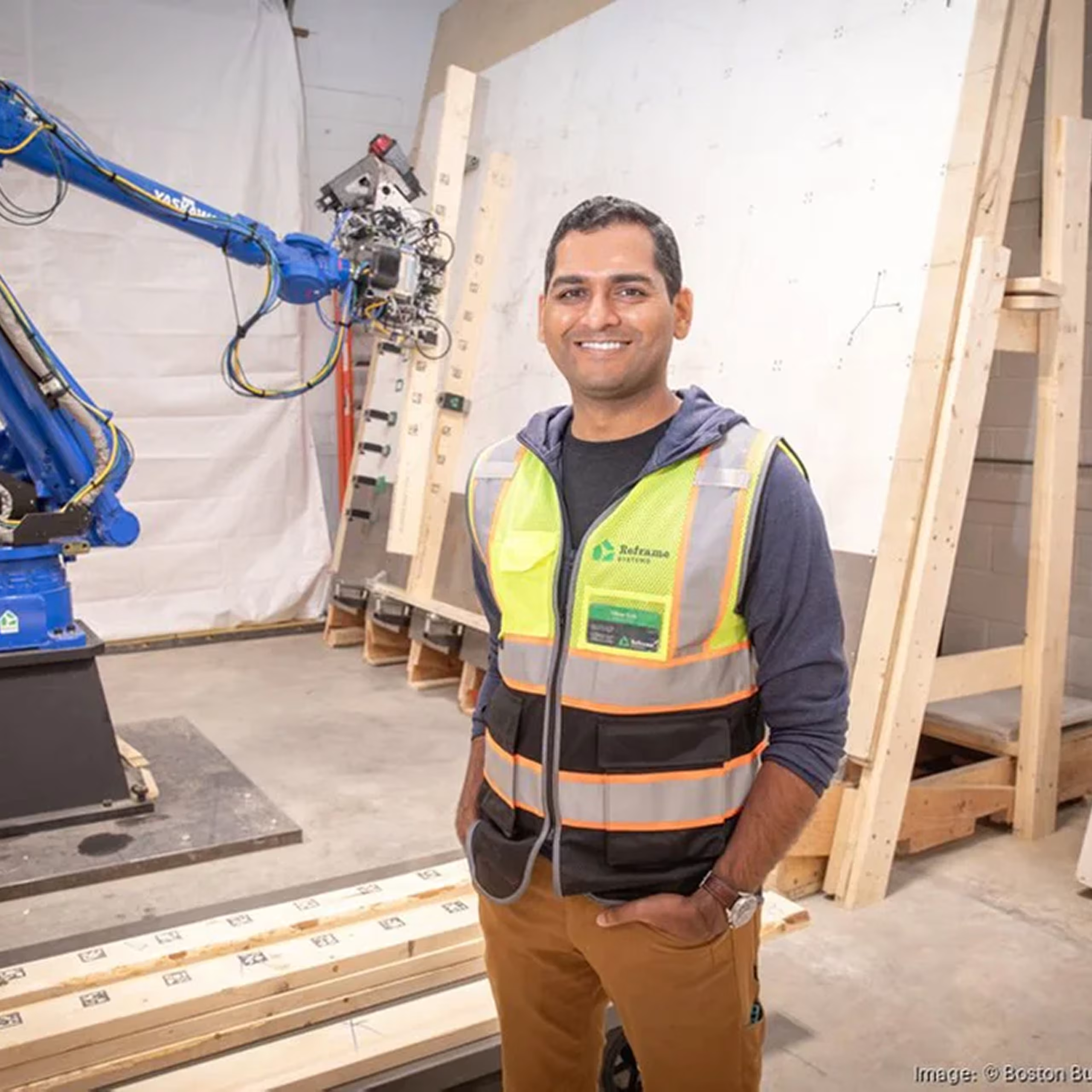
Massachusetts is turning to accessory dwelling units as both a housing and climate solution, and our CEO Vikas Enti spoke with Canary Media's Sarah Shemkus about the role we're playing in that shift. Smaller homes mean less material, less energy, and lower emissions, and that's exactly where our robotics-driven manufacturing process comes in. By using robots to join components with high precision, we build exceptionally airtight units that hold their temperature and keep costs down for homeowners:
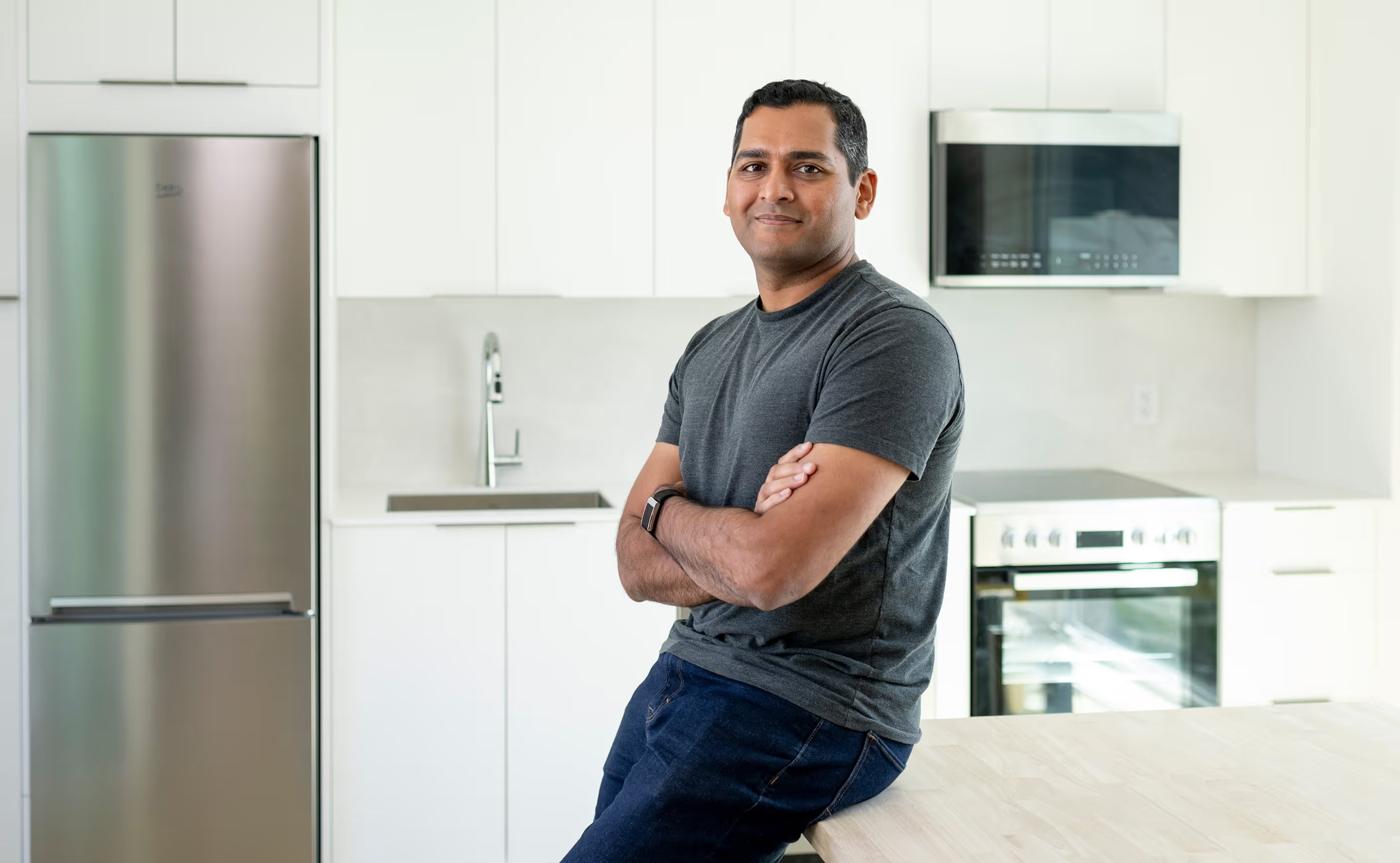
"This is allowing us to democratize what a high-performance home would look like and make it more available," Vikas told Canary Media.
With Massachusetts needing 222,000 new housing units by 2035, and the state now allowing ADUs in 350 of its 351 cities and towns, our model gives homeowners and municipalities a way to add housing quickly without sacrificing energy performance.

.avif)

.avif)


.avif)
.avif)

.avif)
.avif)
.avif)
.avif)
.avif)
.avif)

.avif)