

.avif)
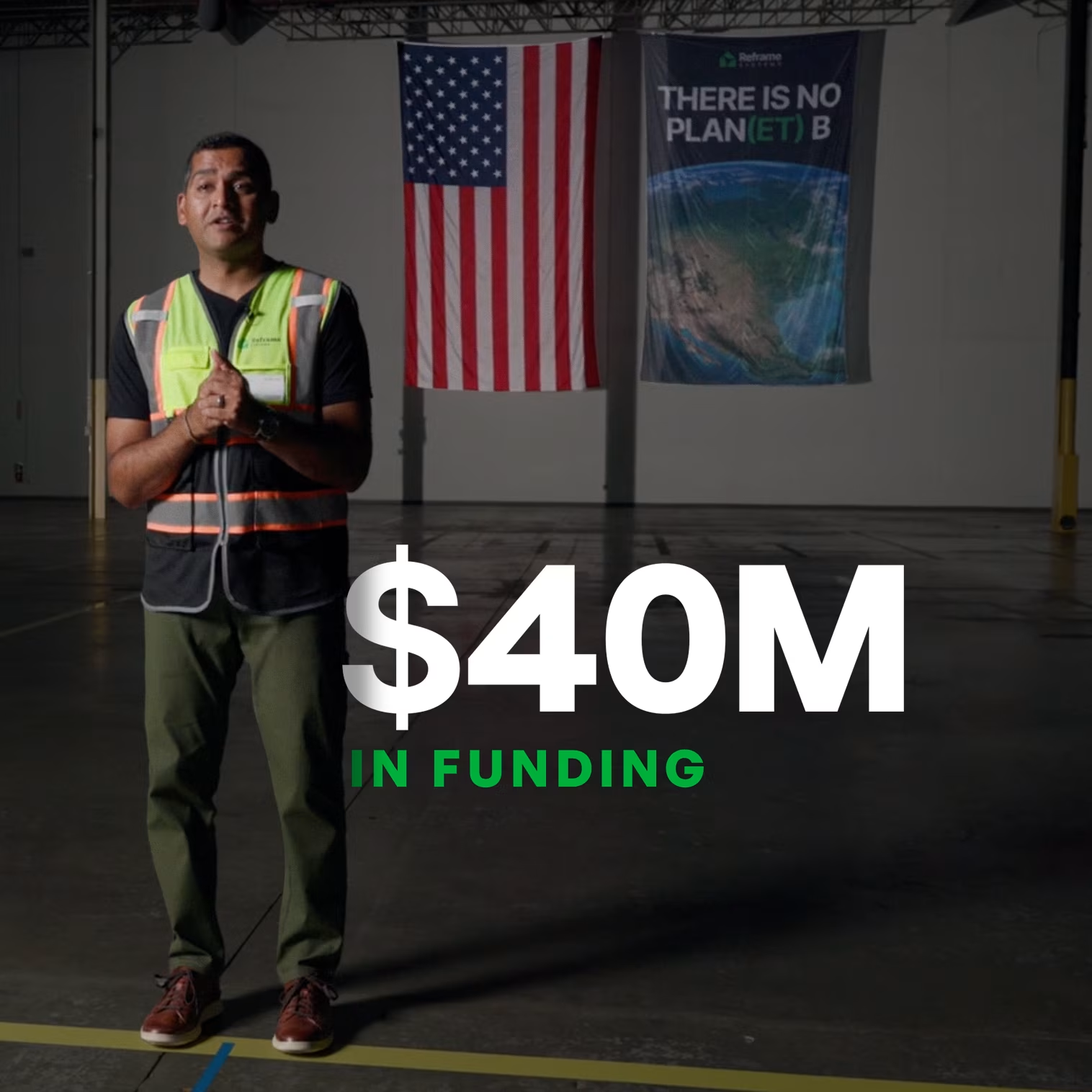
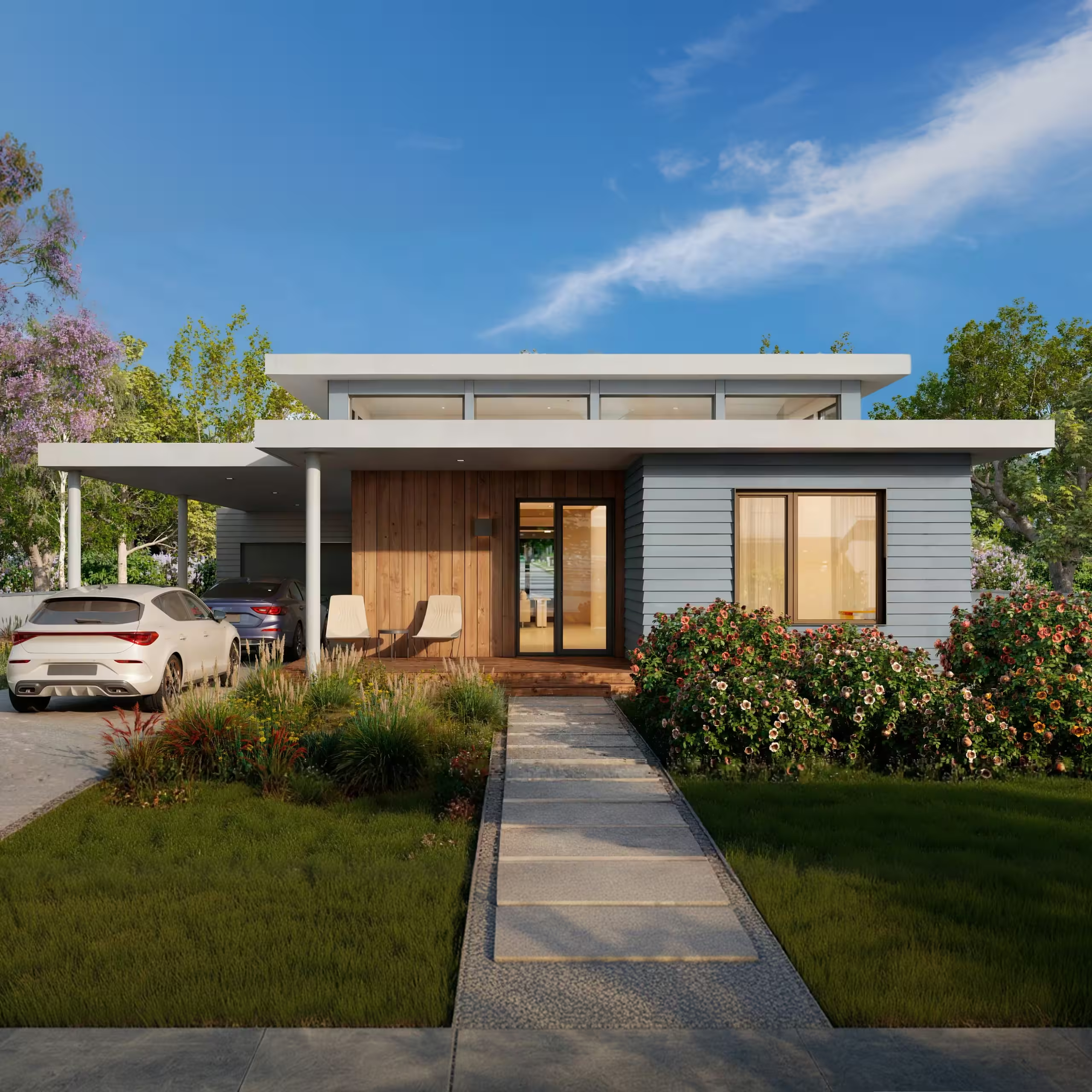
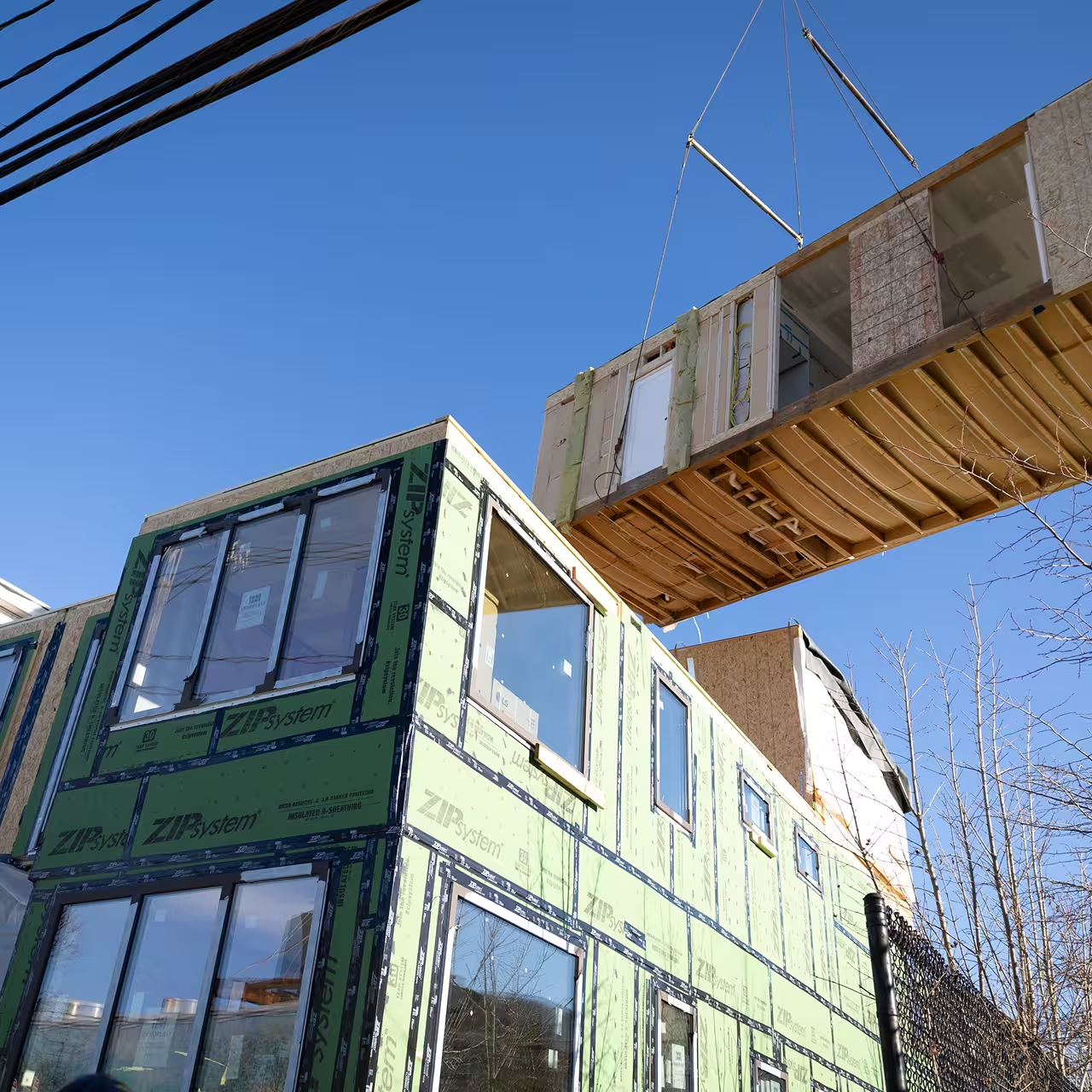
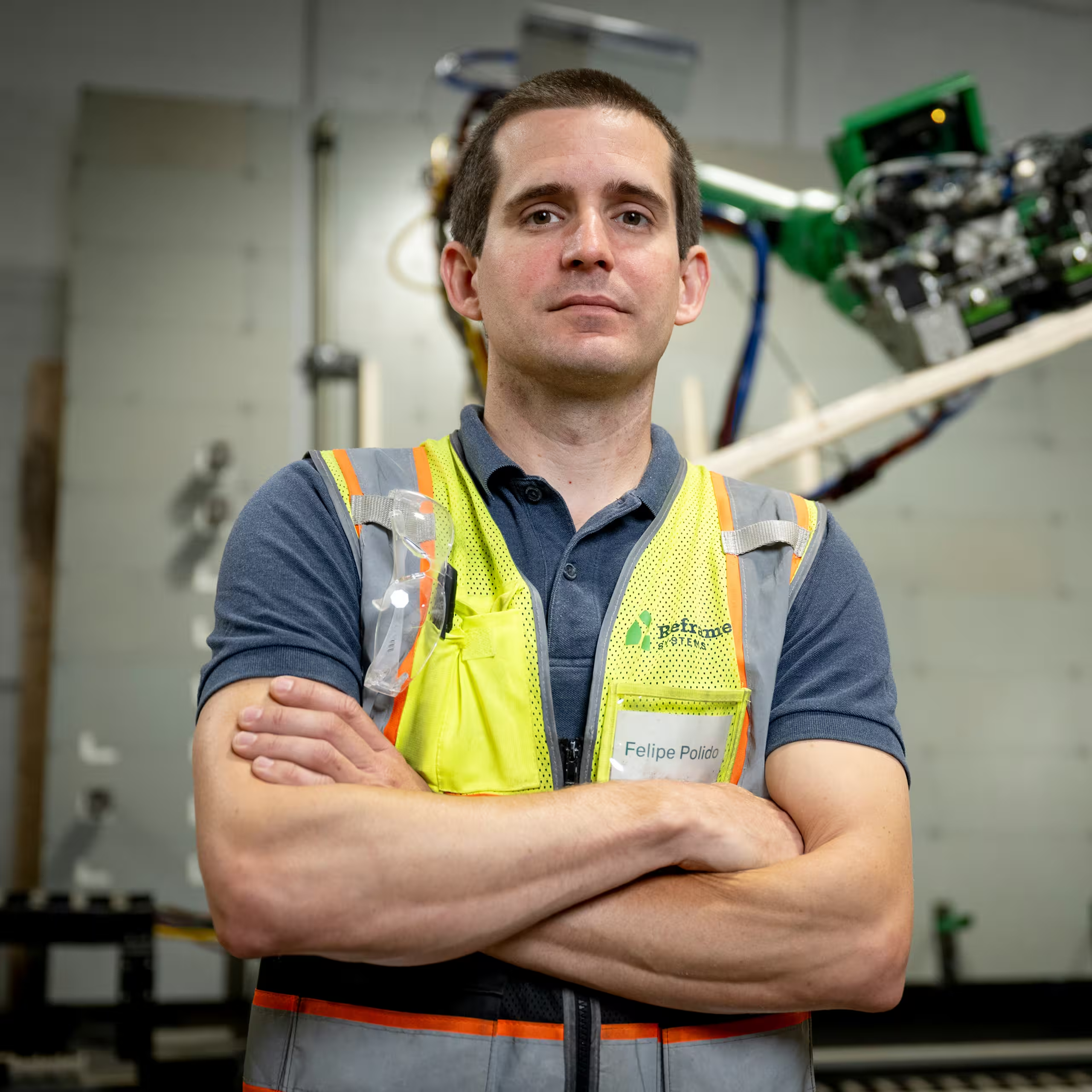
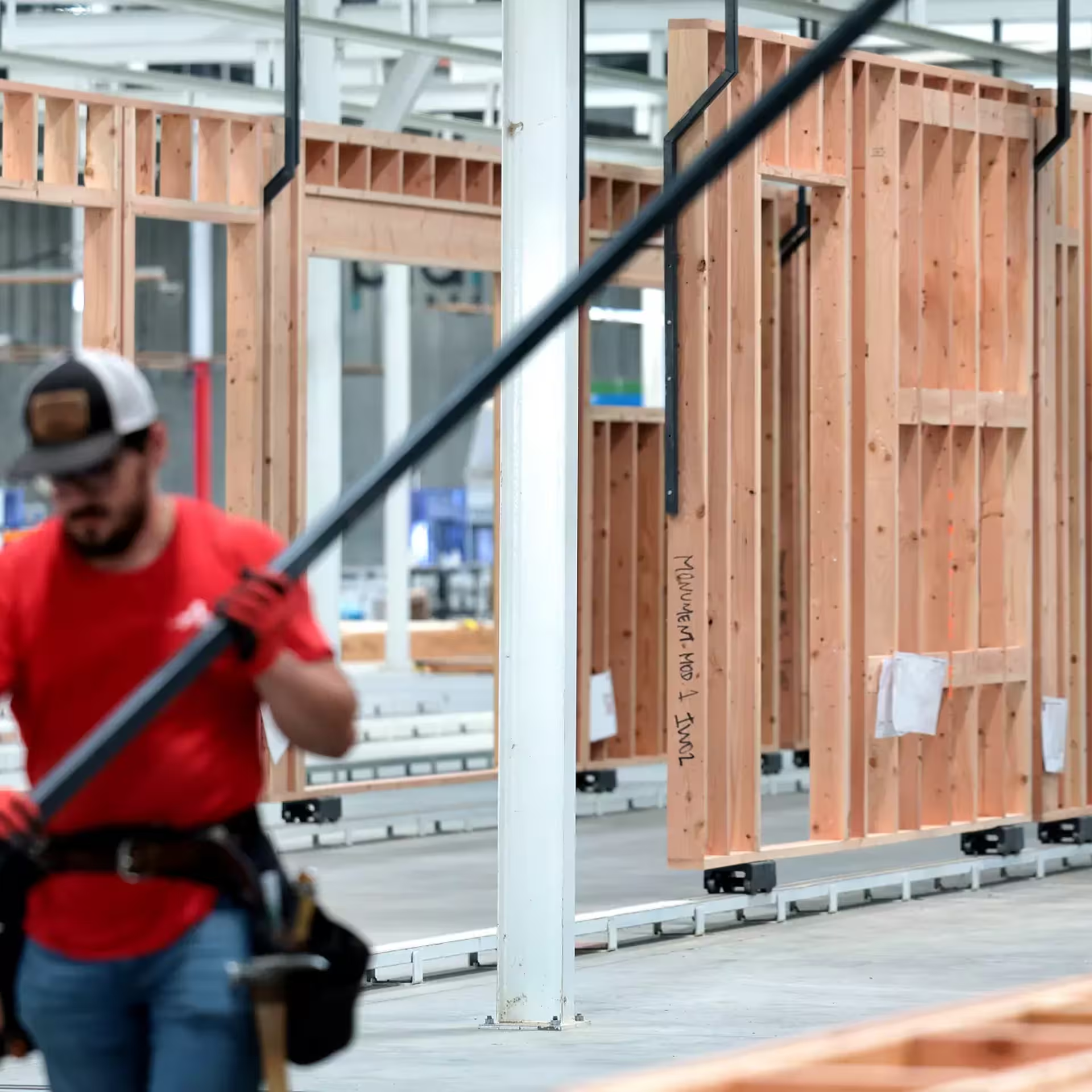
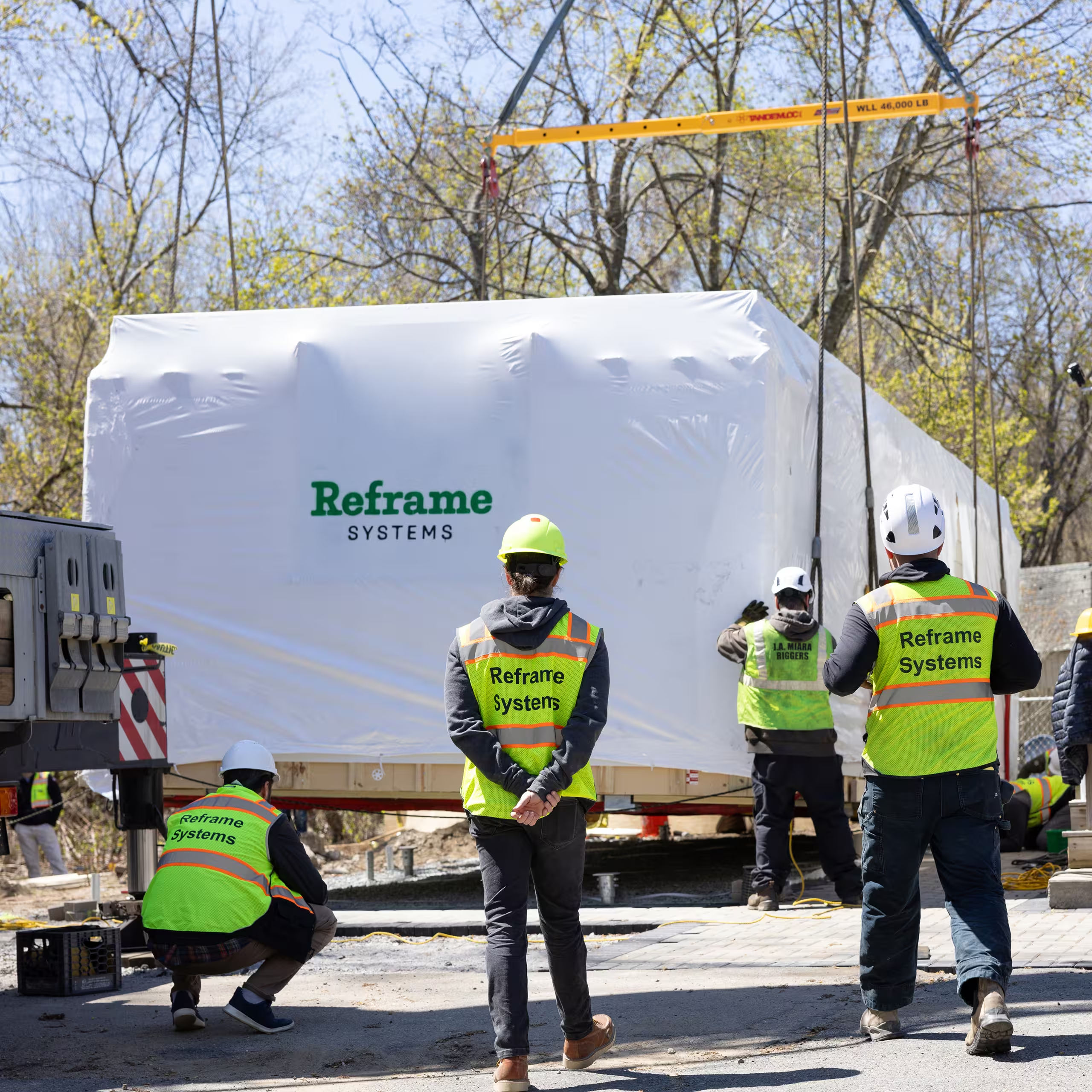
Factory-built housing is gaining momentum across the country, and Utah is taking notice. KUER / NPR Utah spoke with our CEO & Co-Founder, Vikas Enti, about how shifting more of the building process into small, local factories brings much-needed speed and predictability to housing delivery at a time when labor shortages are slowing projects nationwide. "There's no reason why it should take 12 to 18 months to build a lot of buildings when physically they can actually be done in half the time or lower," he said.
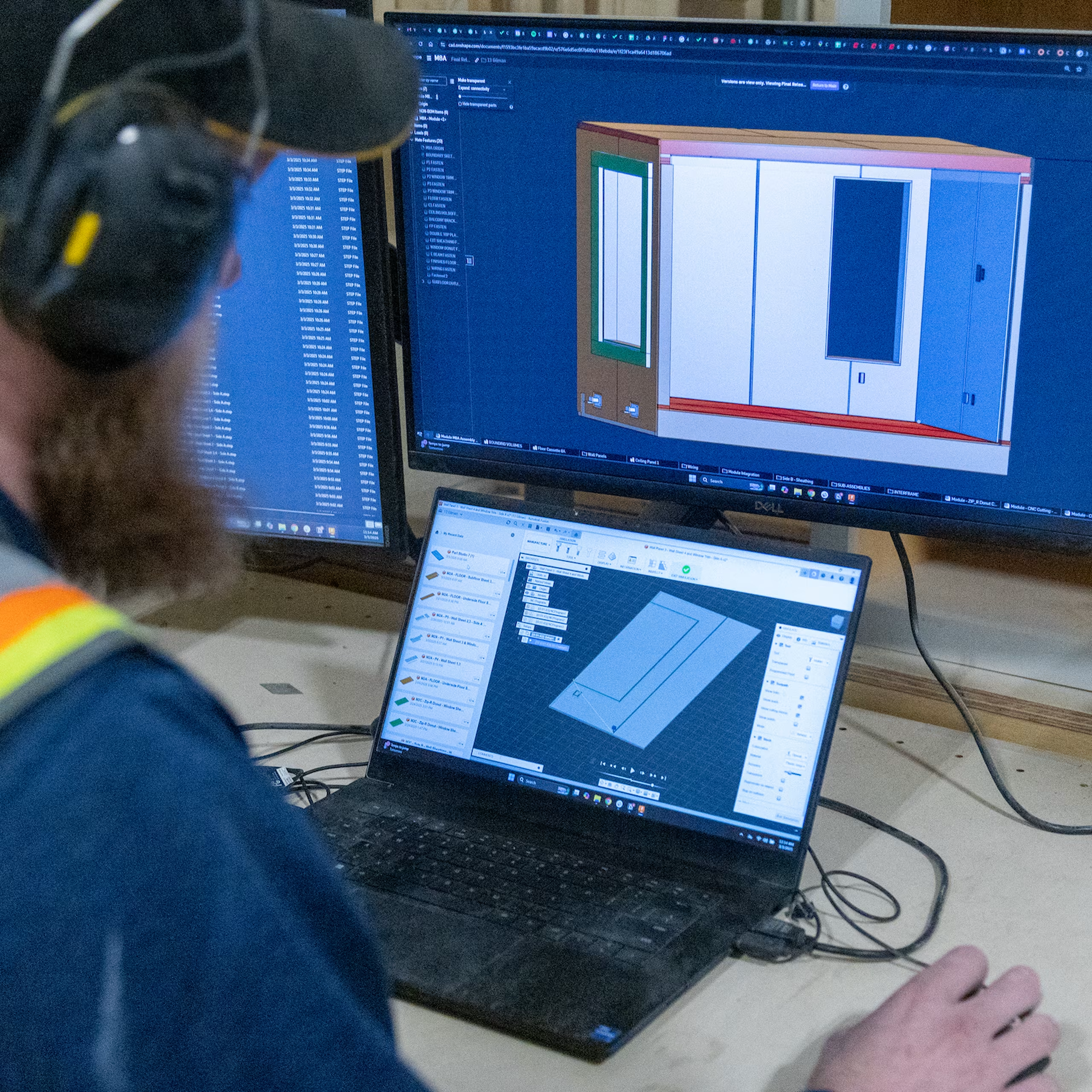
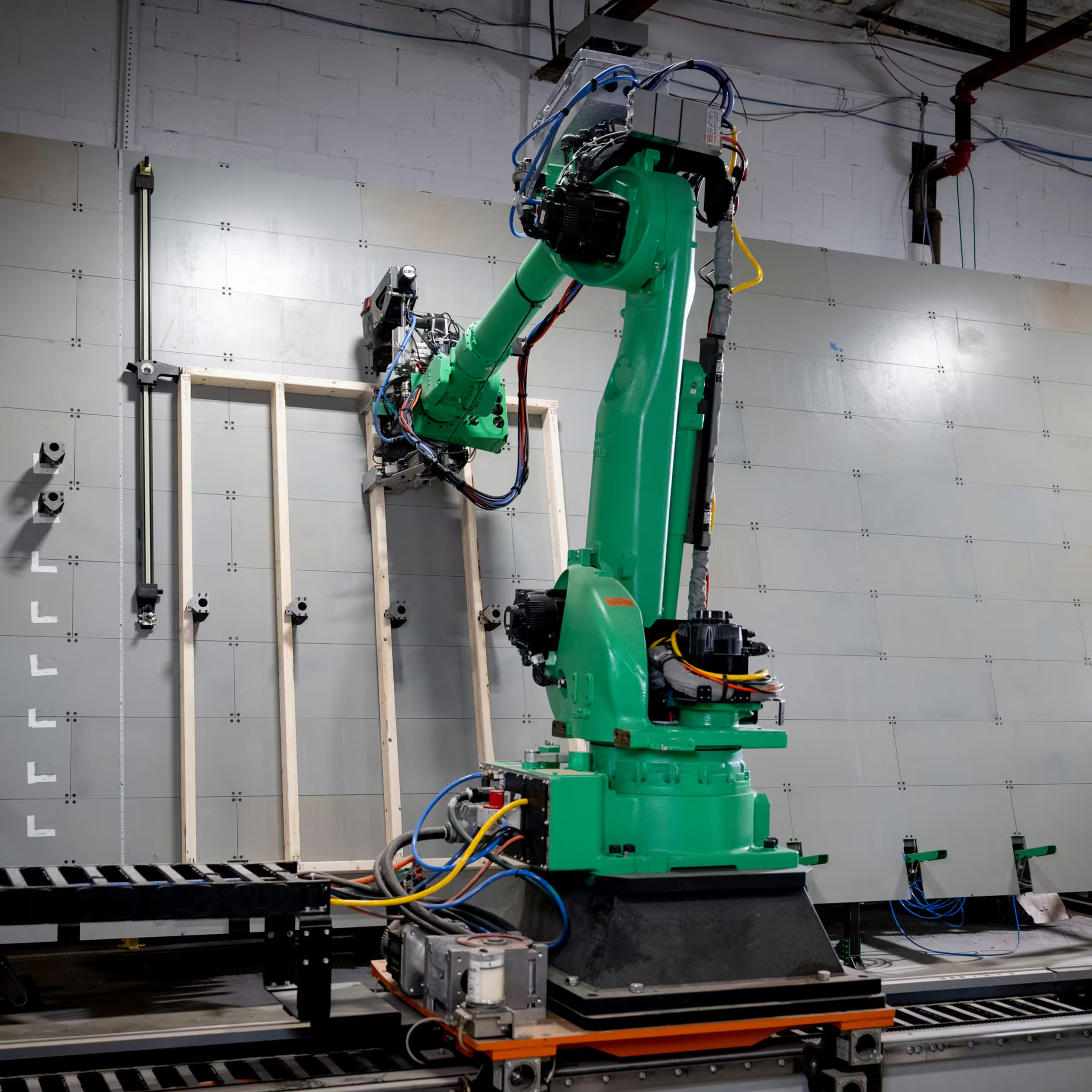
By moving repeatable work into a controlled environment, Reframe delivers homes with greater consistency while keeping skilled trades focused on what they do best. "What we believe industrialization allows for is it really allows you to transform a lot of the trades into tasks that you very quickly allow a new student of the trades to actually come up to speed." Over time, Vikas sees a path to reducing the cost of housing production by 30% to 50%, with labor as the primary lever.
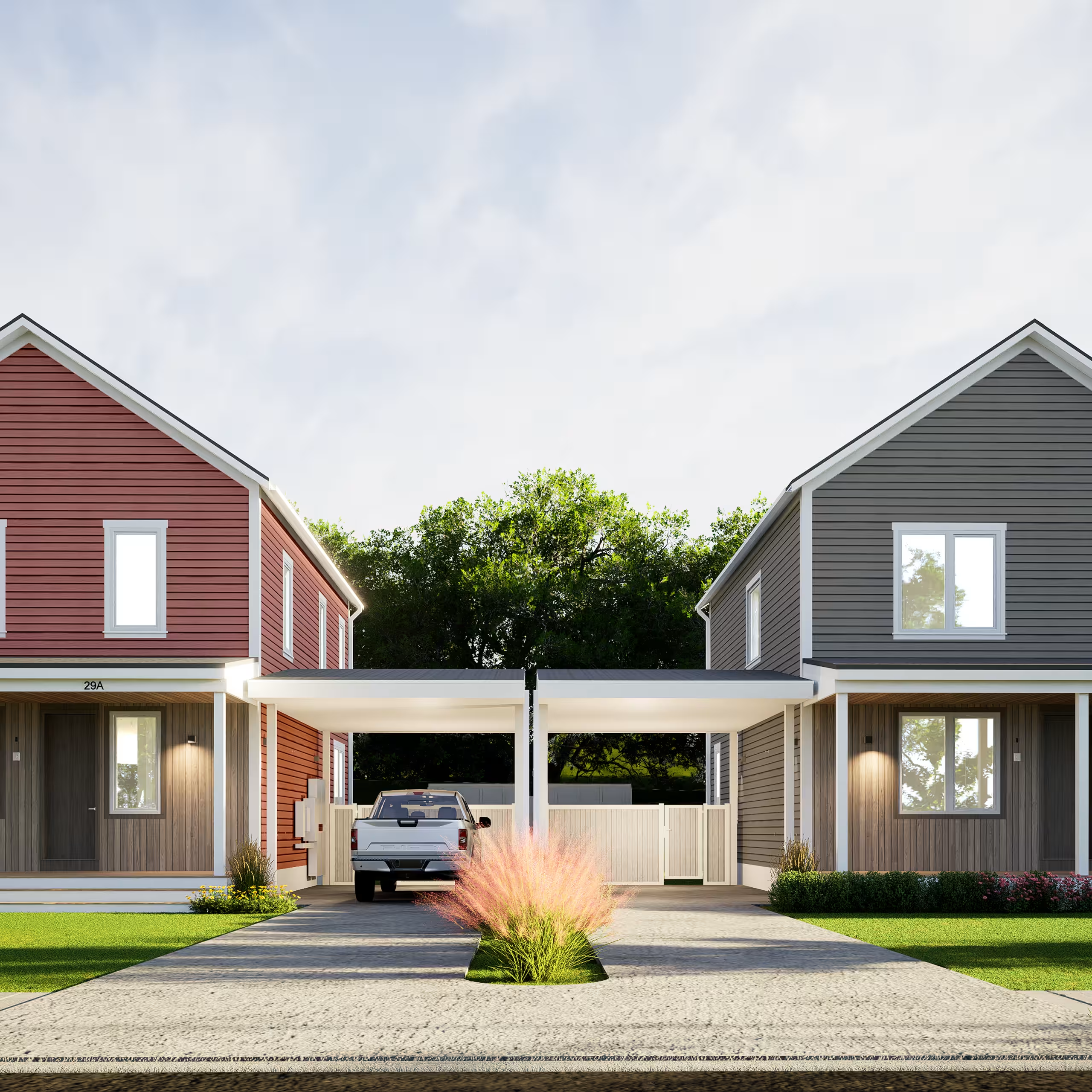
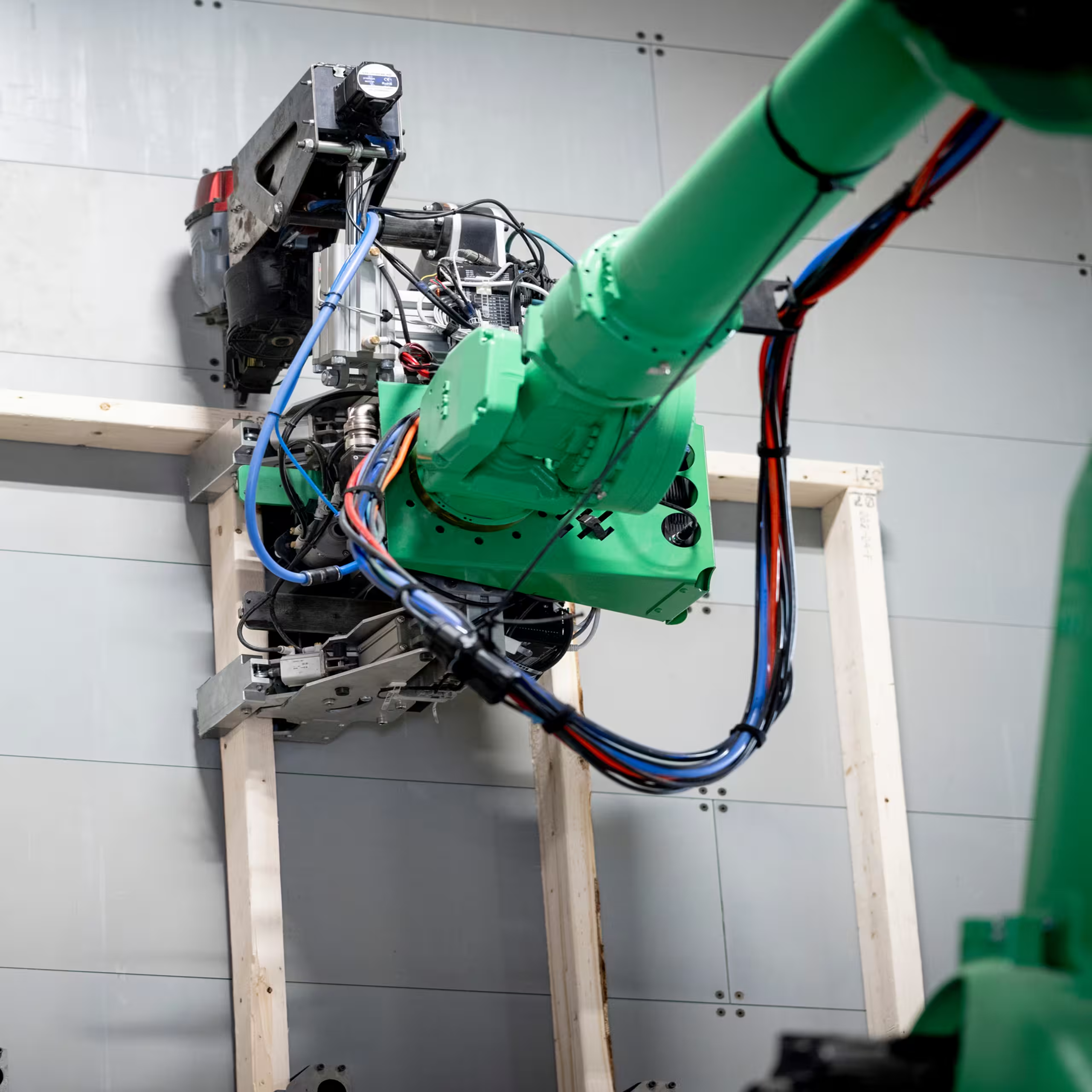
Zoning remains a real barrier, but states like Utah are beginning to explore reforms that could unlock the housing their communities need. As Vikas put it: "We made a bet that factory-built housing is a path where we get greater predictability because you're moving most work into a controlled environment, but also a path where we get a lot more leverage from technology."

.avif)


.avif)
.avif)
.avif)


.avif)
.avif)

.avif)
.avif)

.avif)


.avif)

.avif)