

.avif)
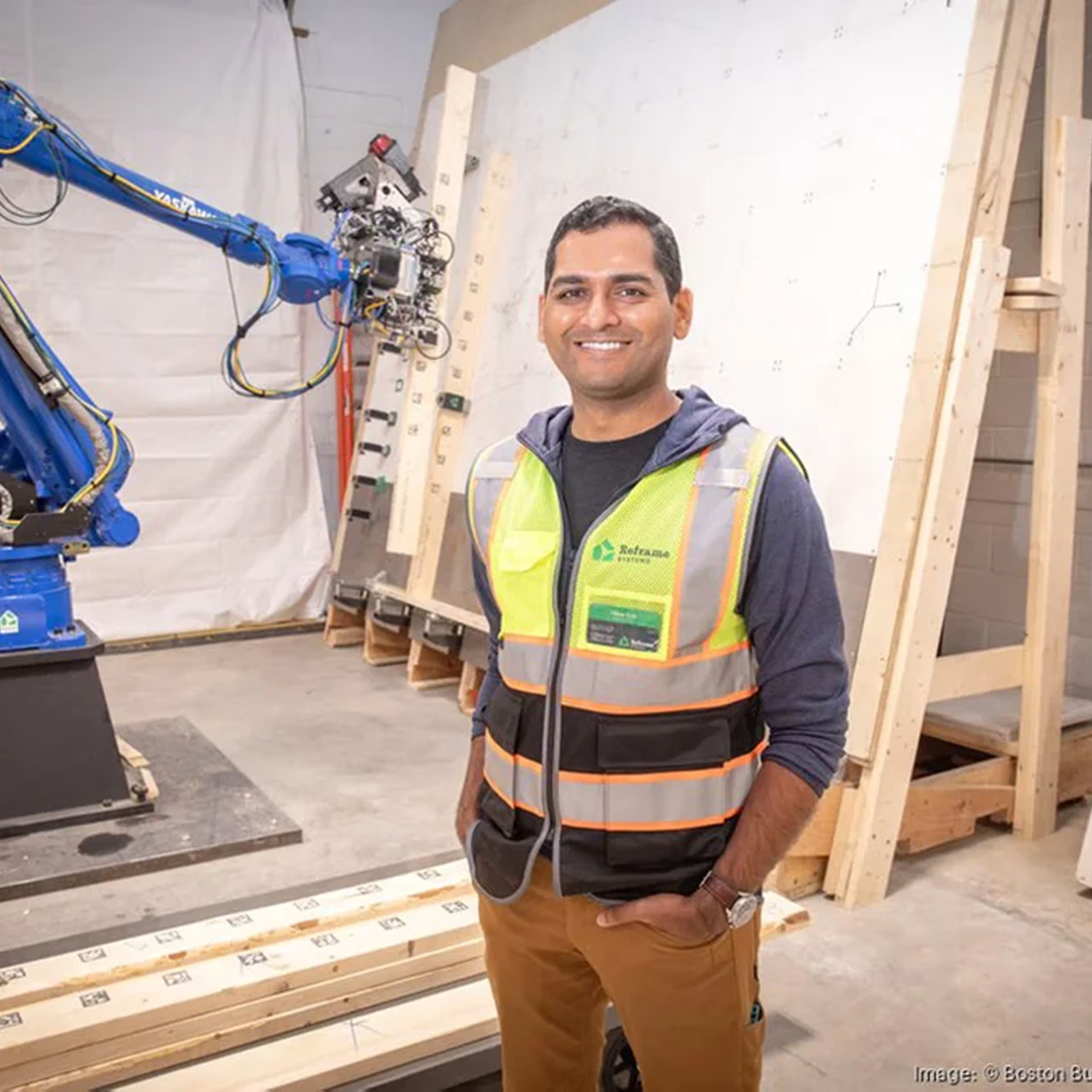
Robotics and Automation News sat down with our CEO and Co-Founder Vikas Enti for a detailed Q&A on what it actually takes to make automation work at scale in homebuilding.
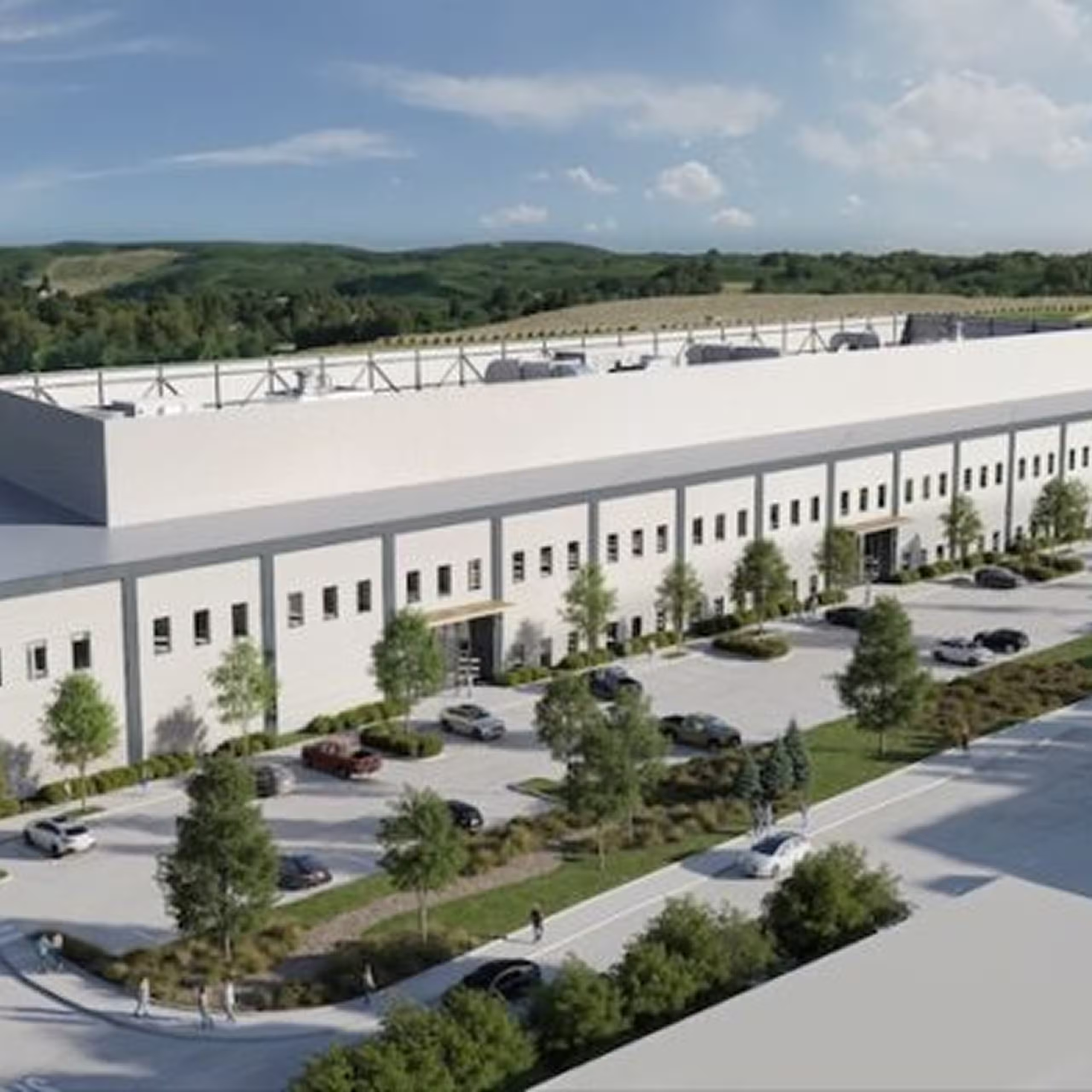
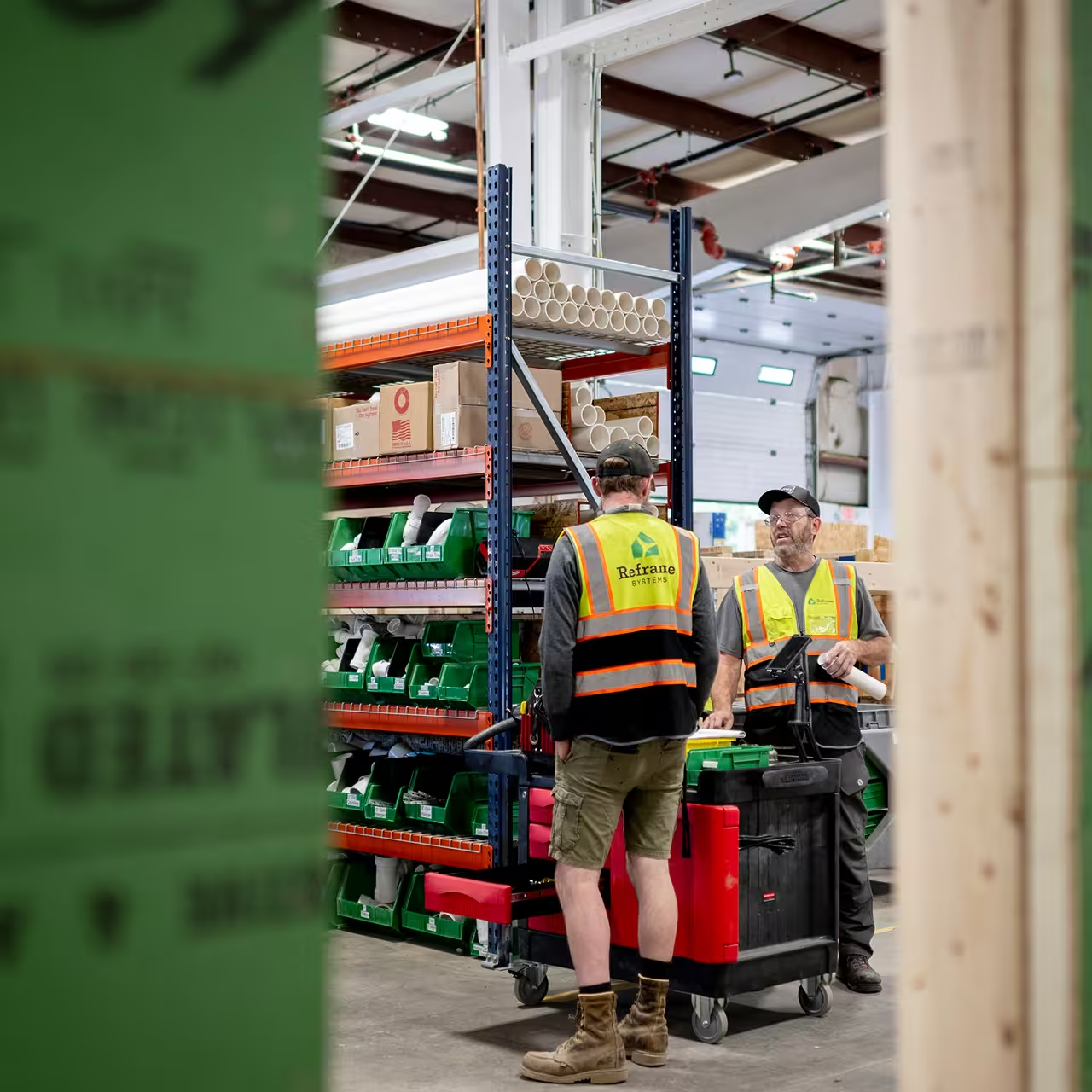
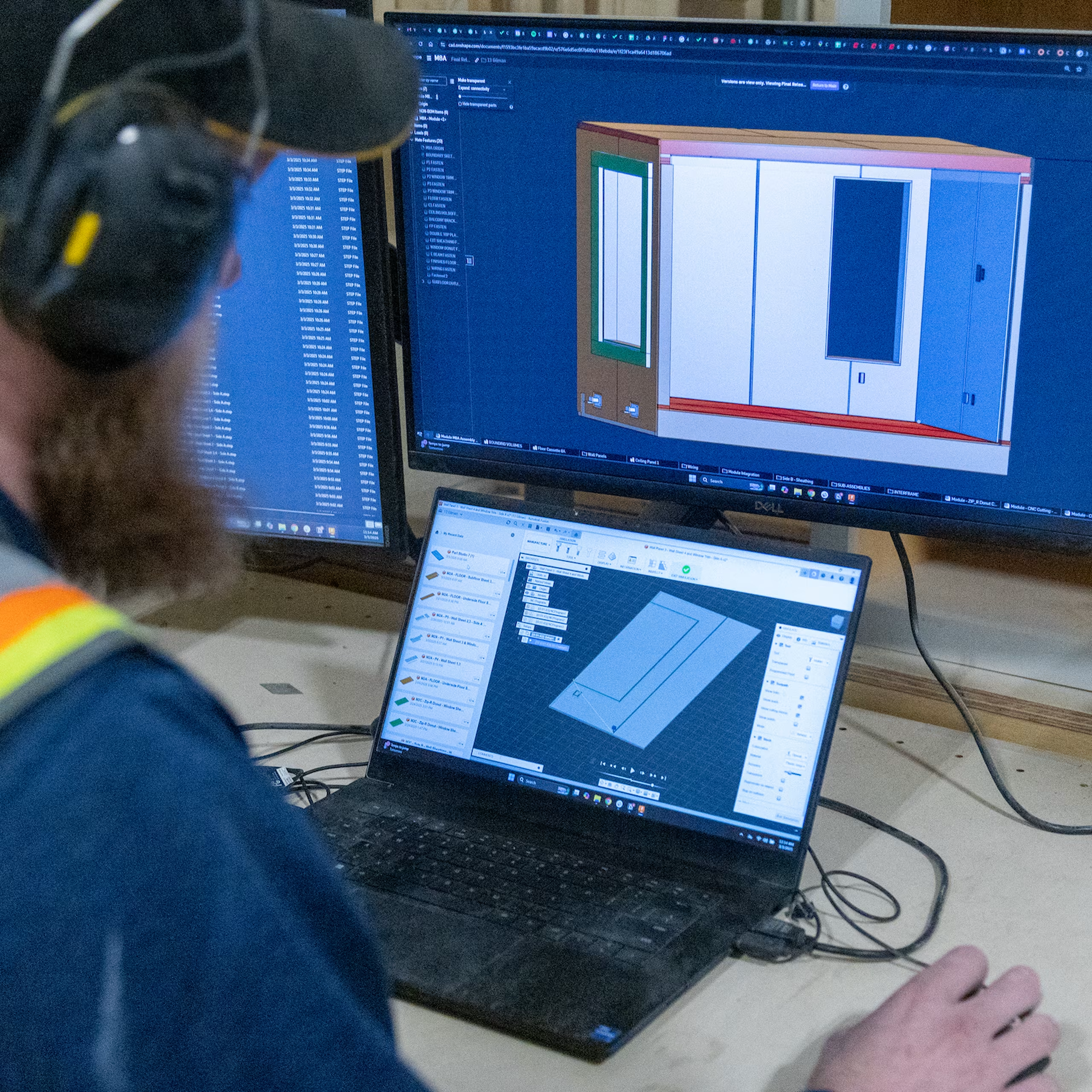
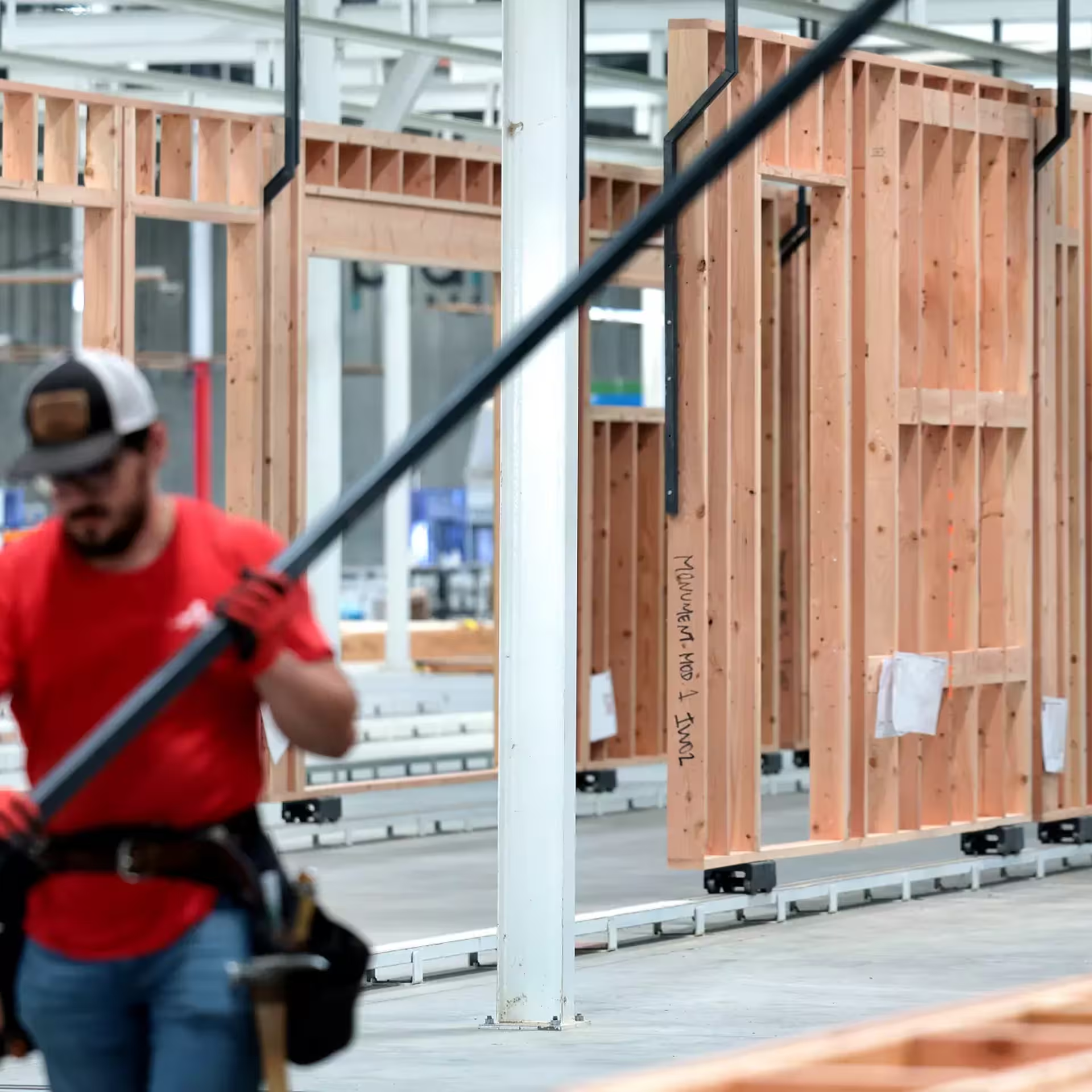
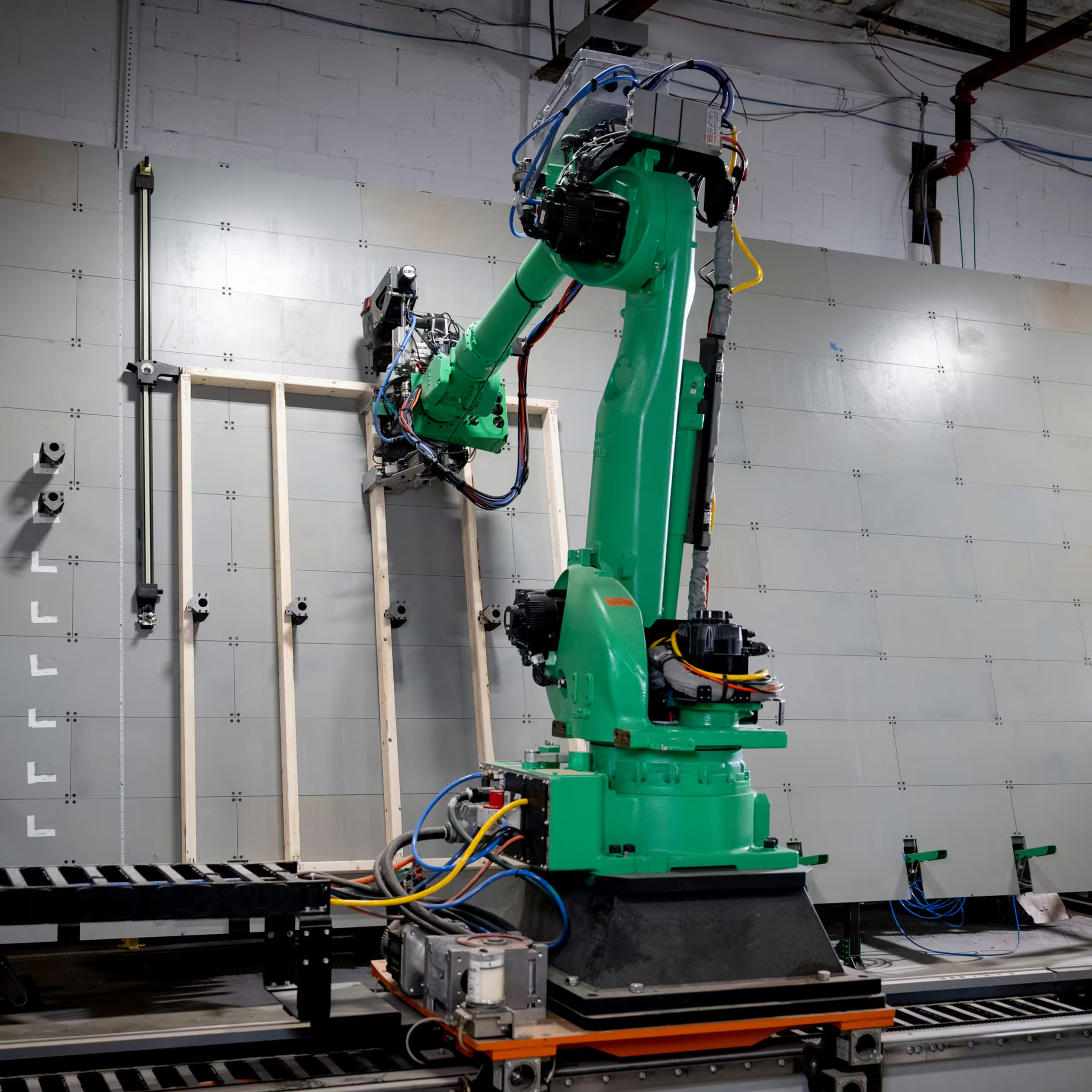
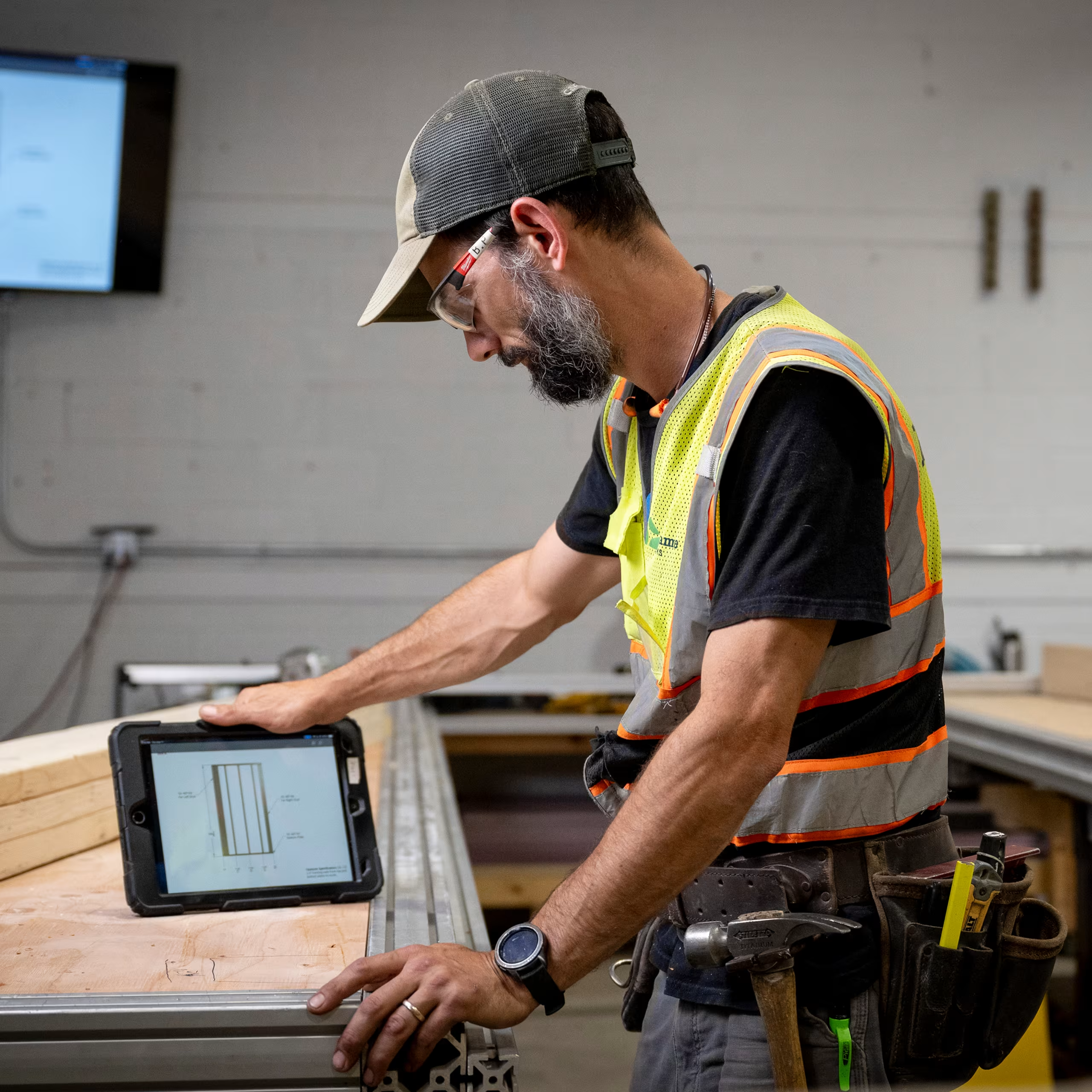
The conversation covers how we're applying physical AI across our production network today: robots currently handle the repetitive and physically demanding work of framing, cutting, fastening, and material handling in panel production, automating roughly 20% of factory tasks now with a roadmap to reach 60-80% over time. Builders focus on the higher-skill work: windows, doors, MEP, finishes, and the craft-driven details that define quality. "Automation reduces physical strain while giving workers more time for the craft-driven parts of construction," Vikas explains.
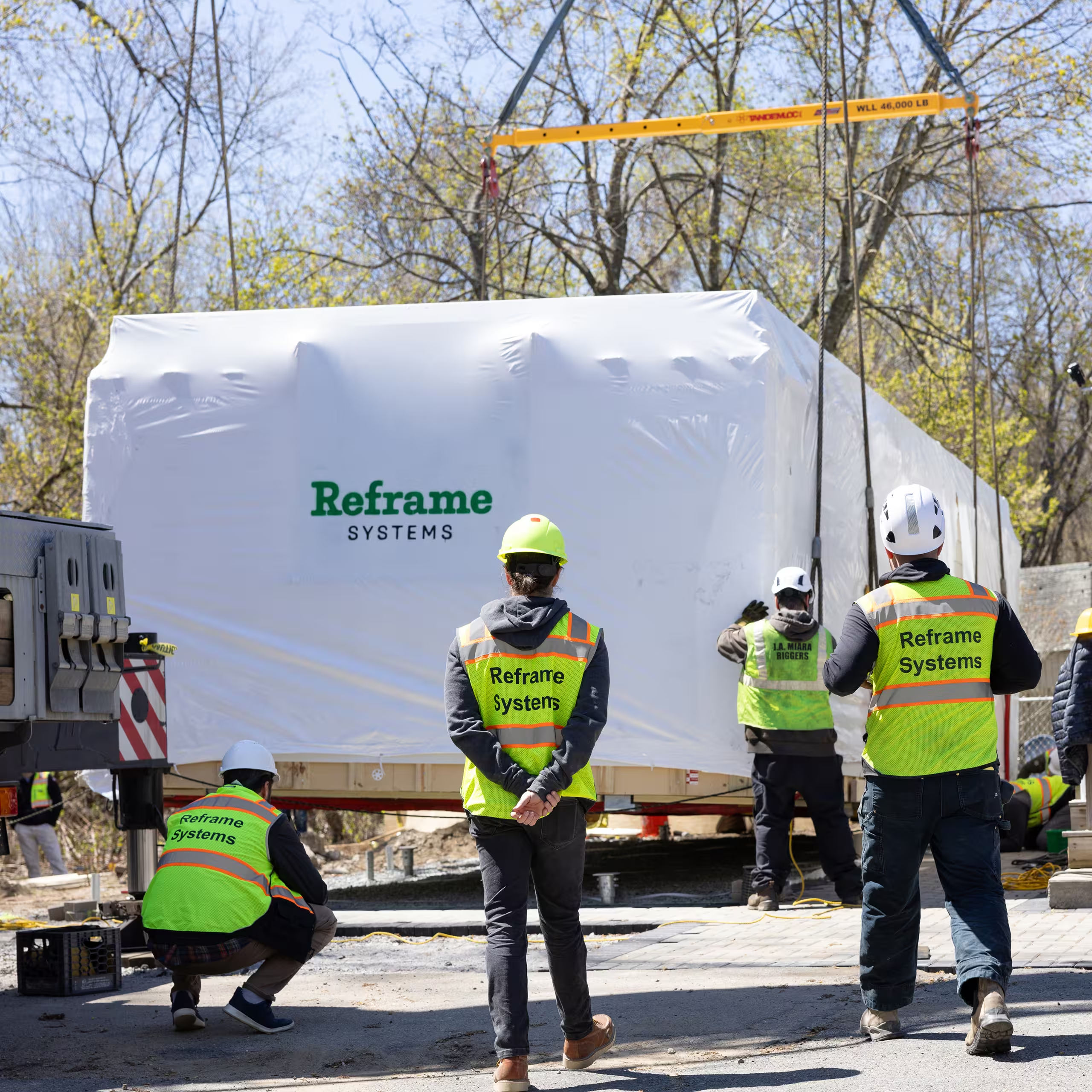
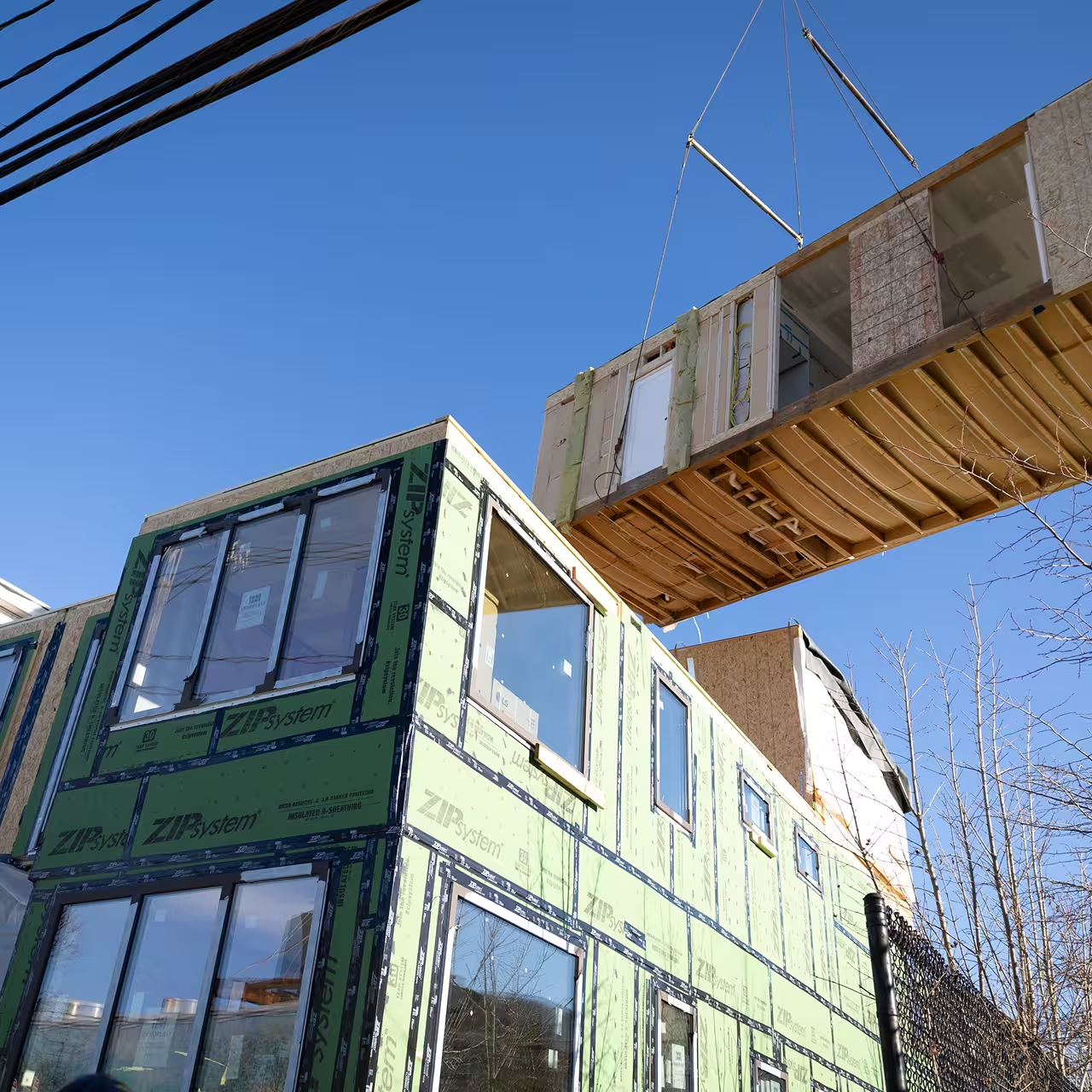
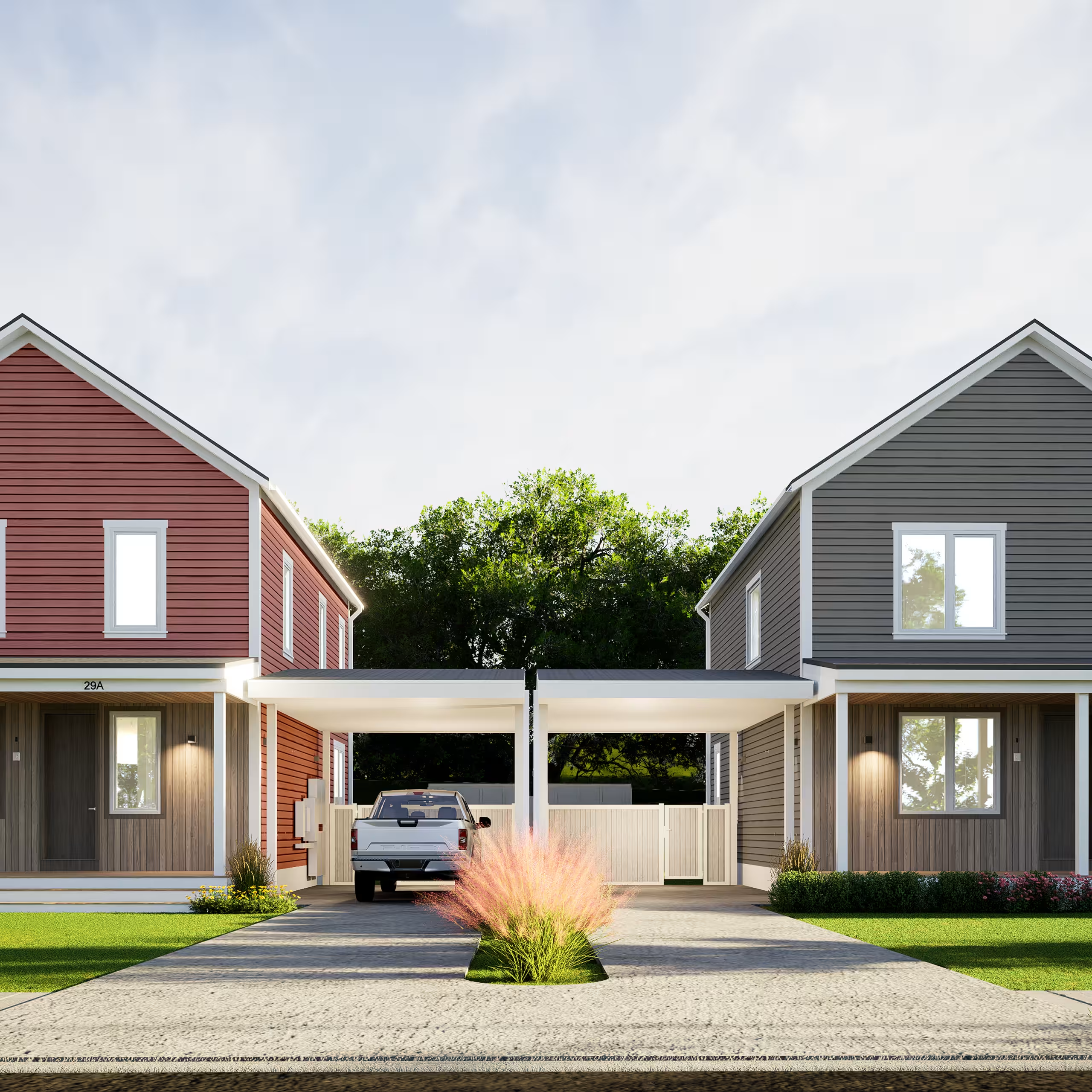
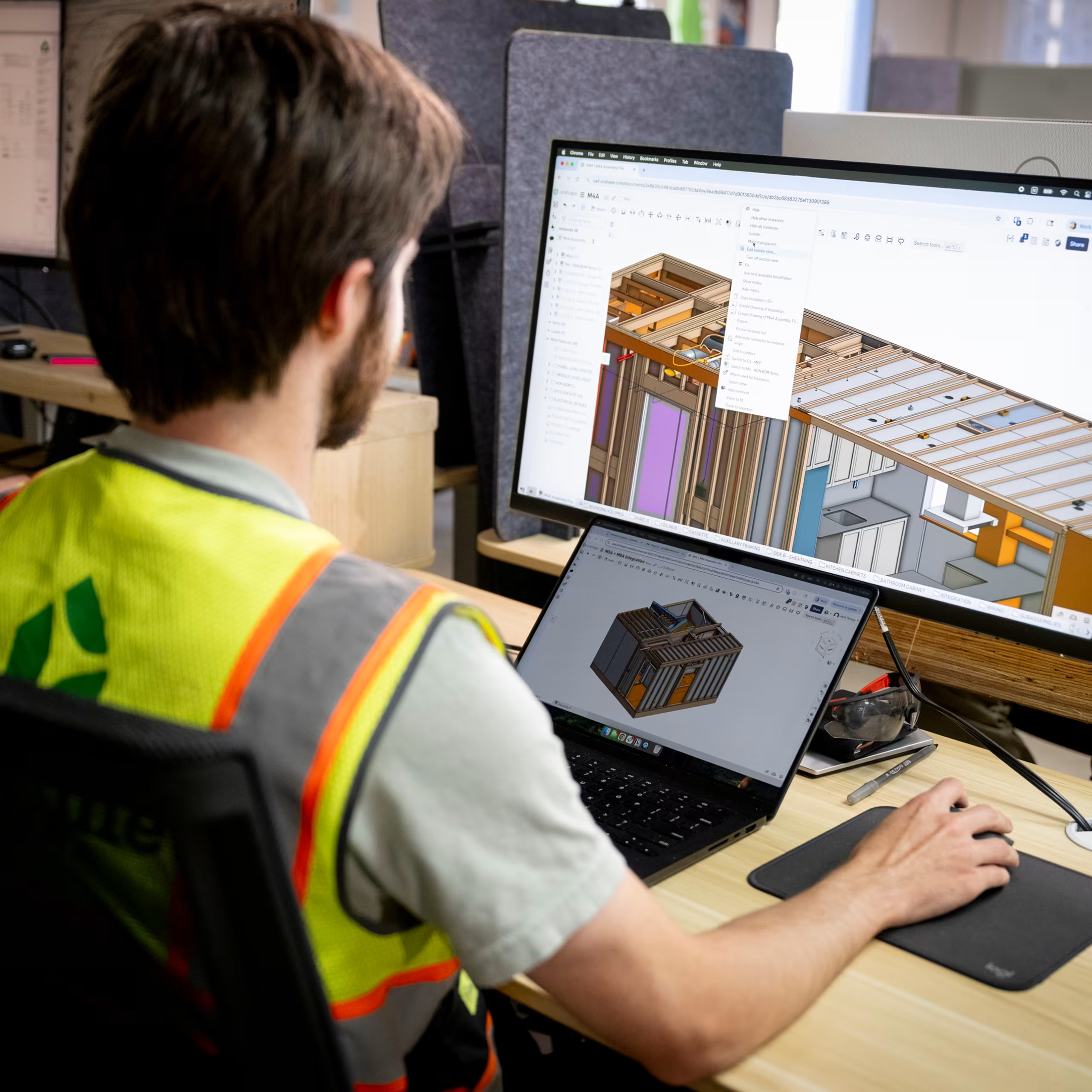
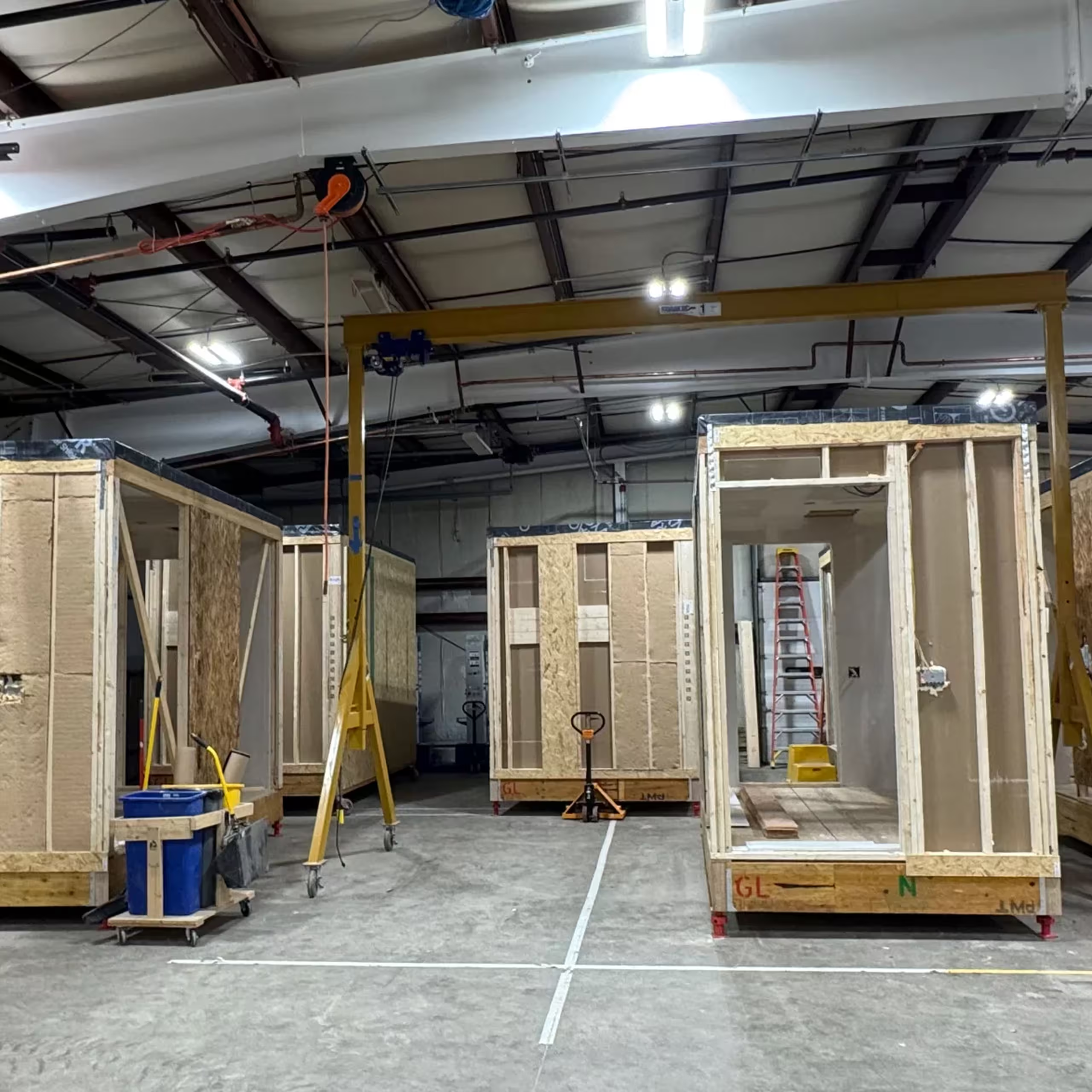
He also draws a clear line between Reframe's model and the isolated task robots that have defined construction automation so far. Rather than automating a single action, we automate a key section of the production sequence inside a controlled factory environment, where consistency, safety, and throughput can all be improved together. The speed, cost, and carbon gains don't come from robotics alone; they come from combining automation with a distributed production network, off-site manufacturing, and standardized building systems designed for climate resilience.
The stakes are clear: "With a 4.7 million home shortage, the US can't afford incremental gains. If the industry adopted the level of automation we're building, we could expand capacity where it matters most." At Reframe, robotics and physical AI are designed to multiply human capability, helping deliver high-quality, climate-ready housing faster, more predictably, and at the scale this moment demands.

.avif)
.avif)
.avif)
.avif)
.avif)


.avif)
.avif)
.avif)


.avif)


.avif)