


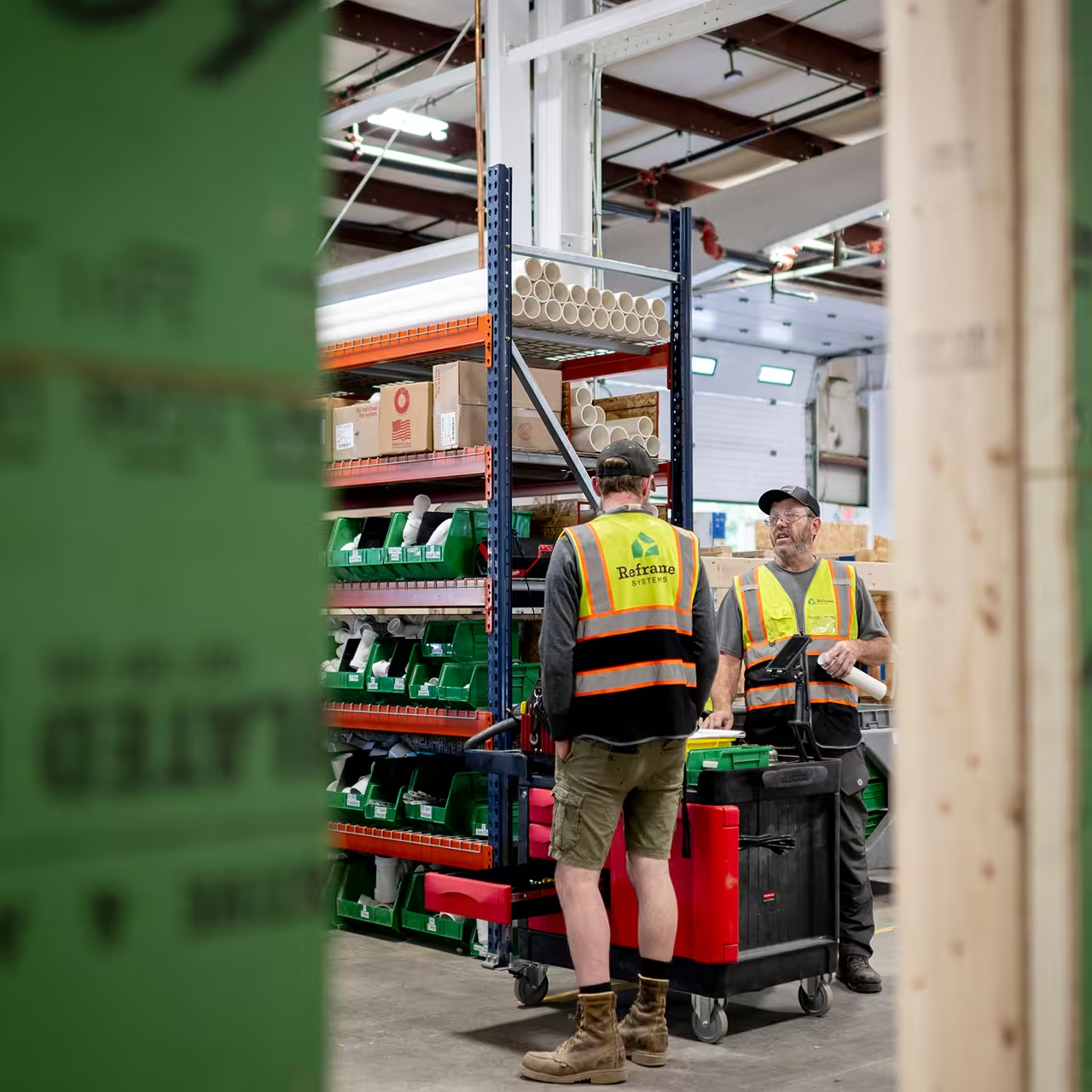
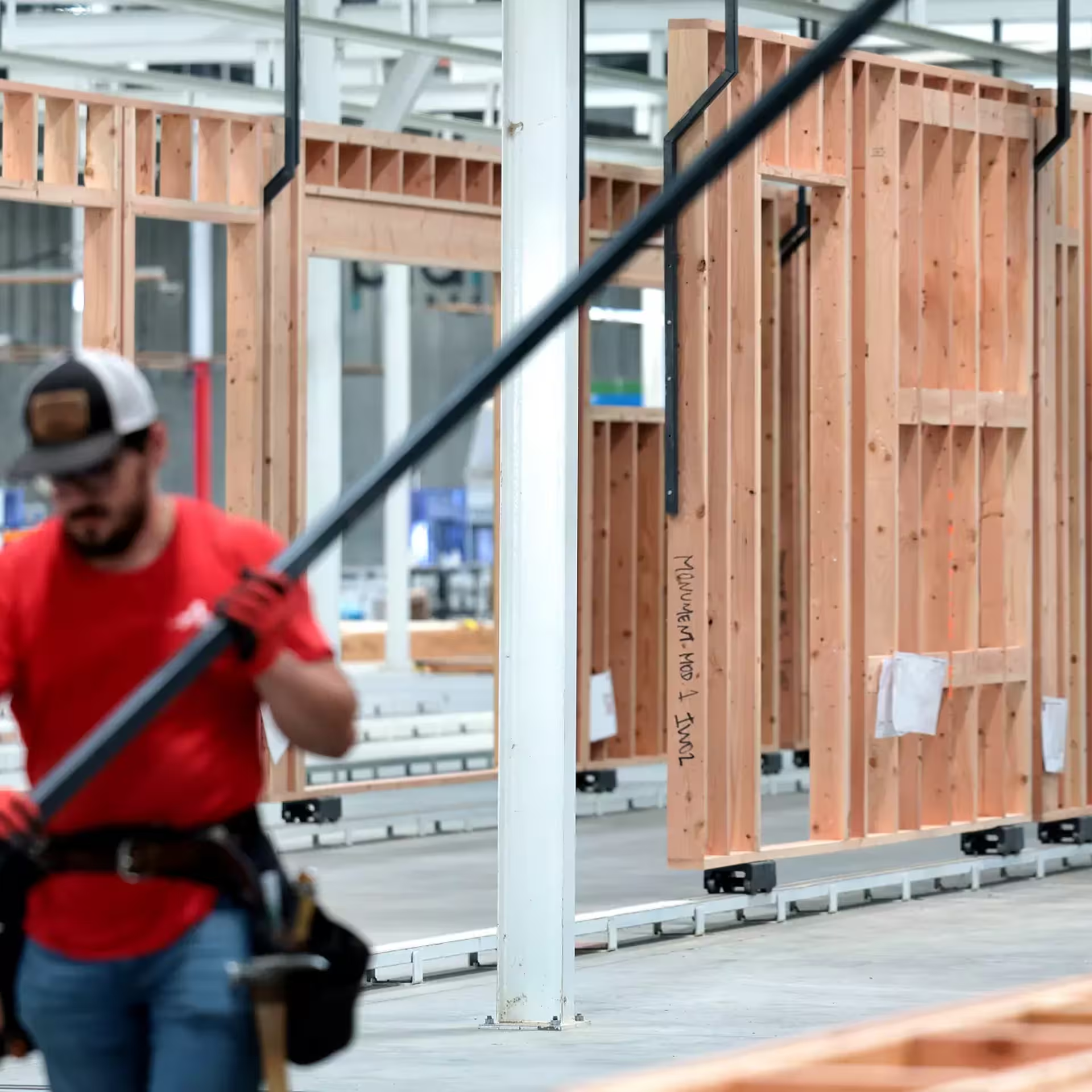
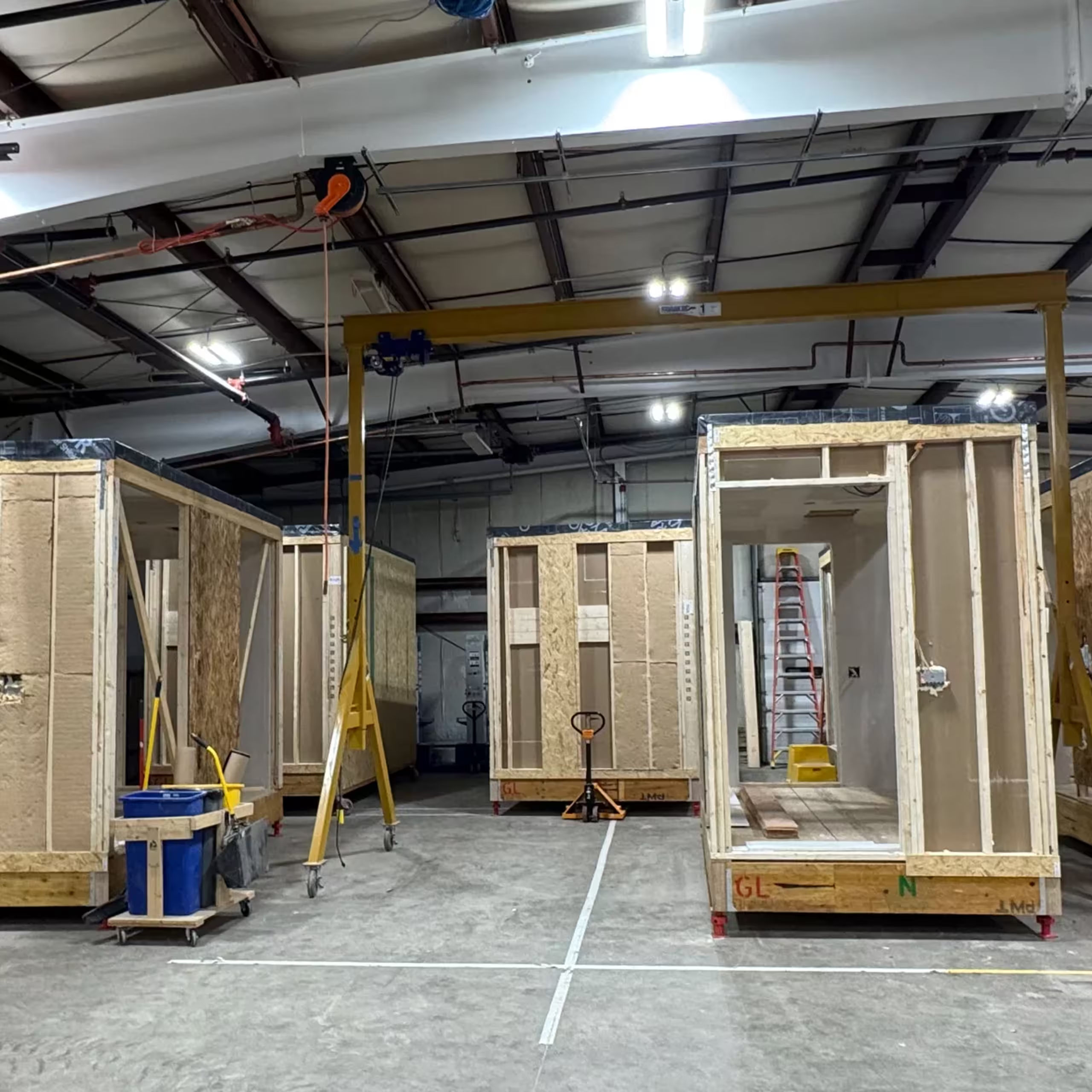
Forbes features Reframe Systems and how our microfactory model removes barriers that have historically limited offsite housing. By shifting production into smaller, localized facilities that can operate within existing industrial space, we reduce upfront capital requirements and bring manufacturing closer to demand. The piece highlights how legacy factory models rely on high fixed costs, specialized facilities, and narrow product types, making them difficult to adapt across markets with different codes, zoning, and site conditions.
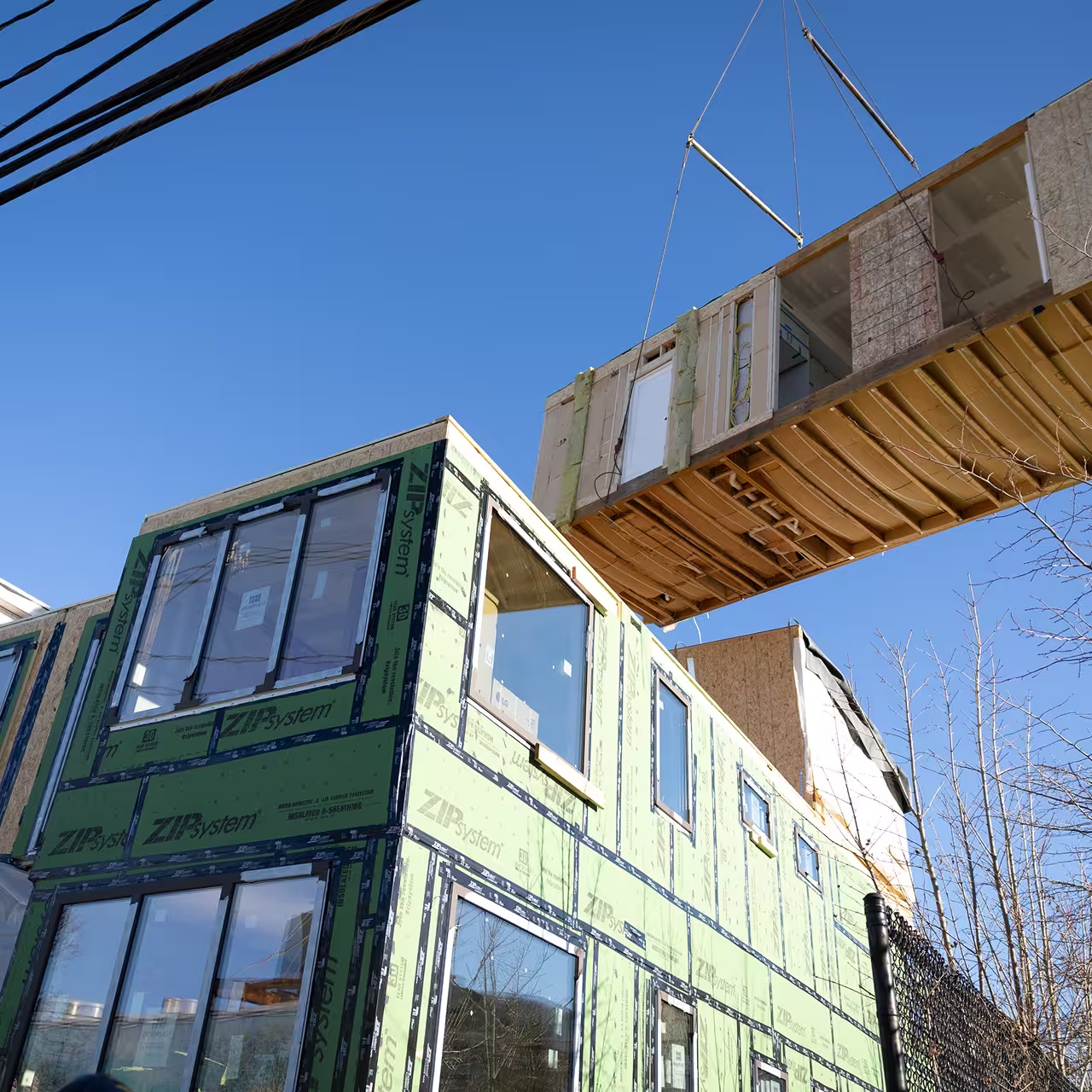
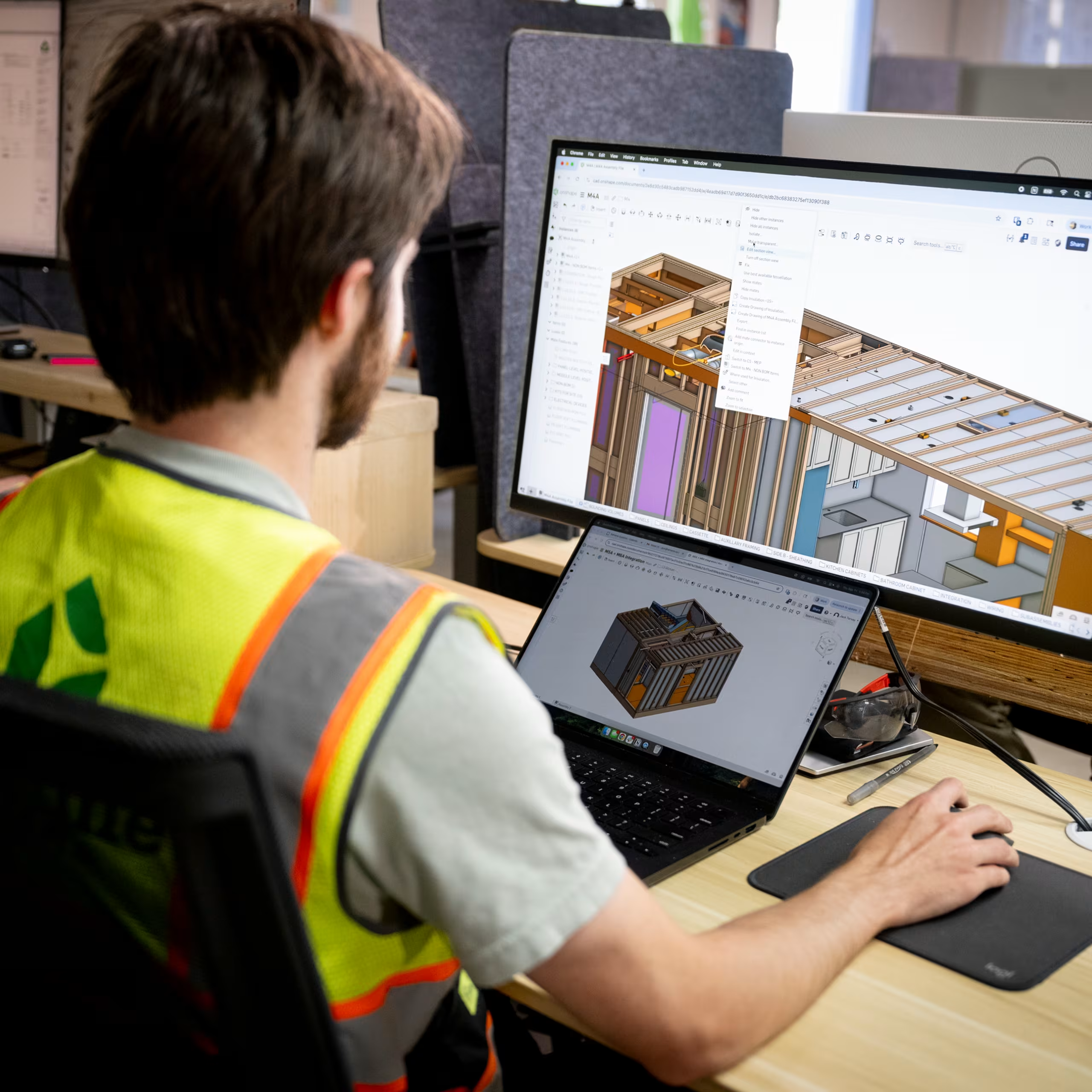
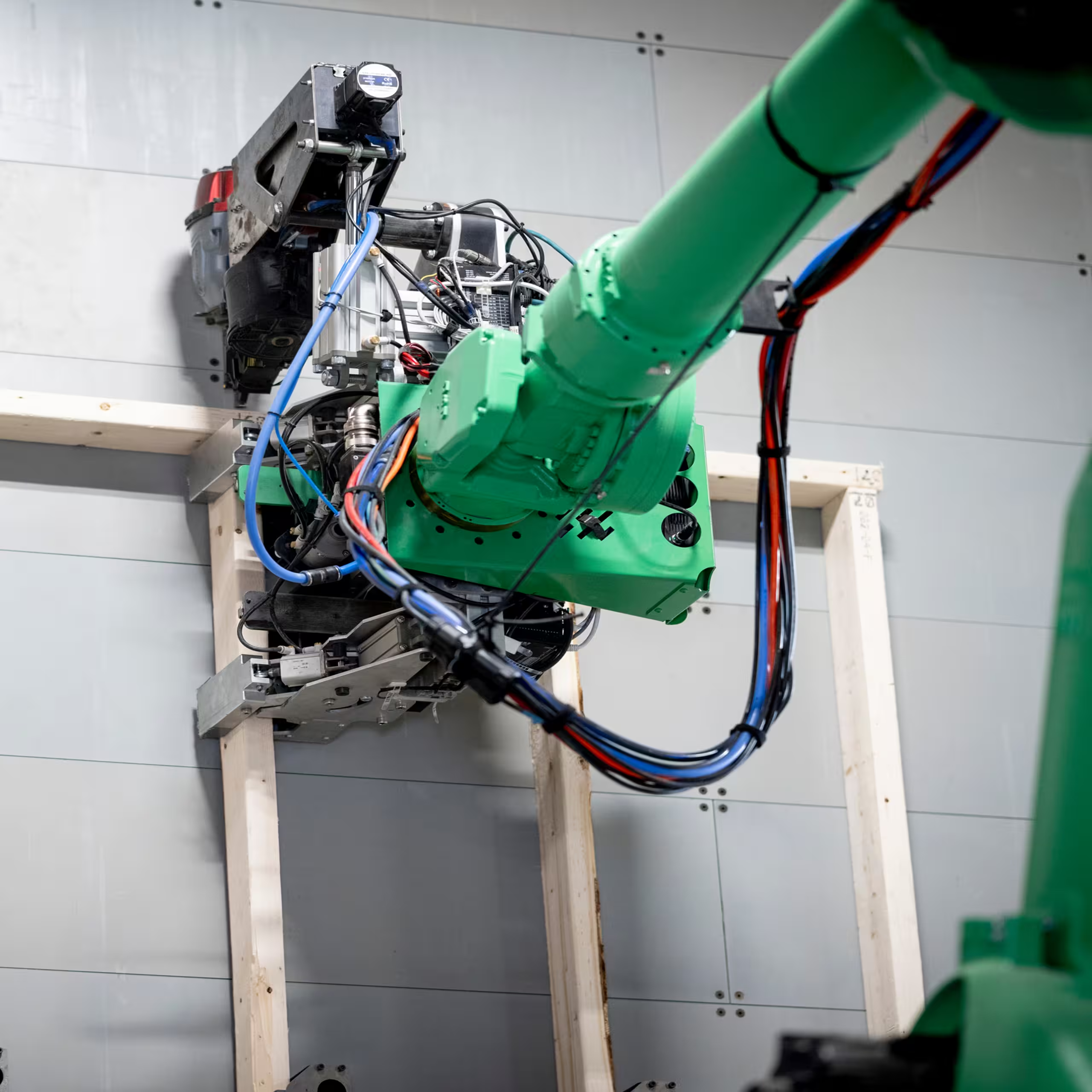
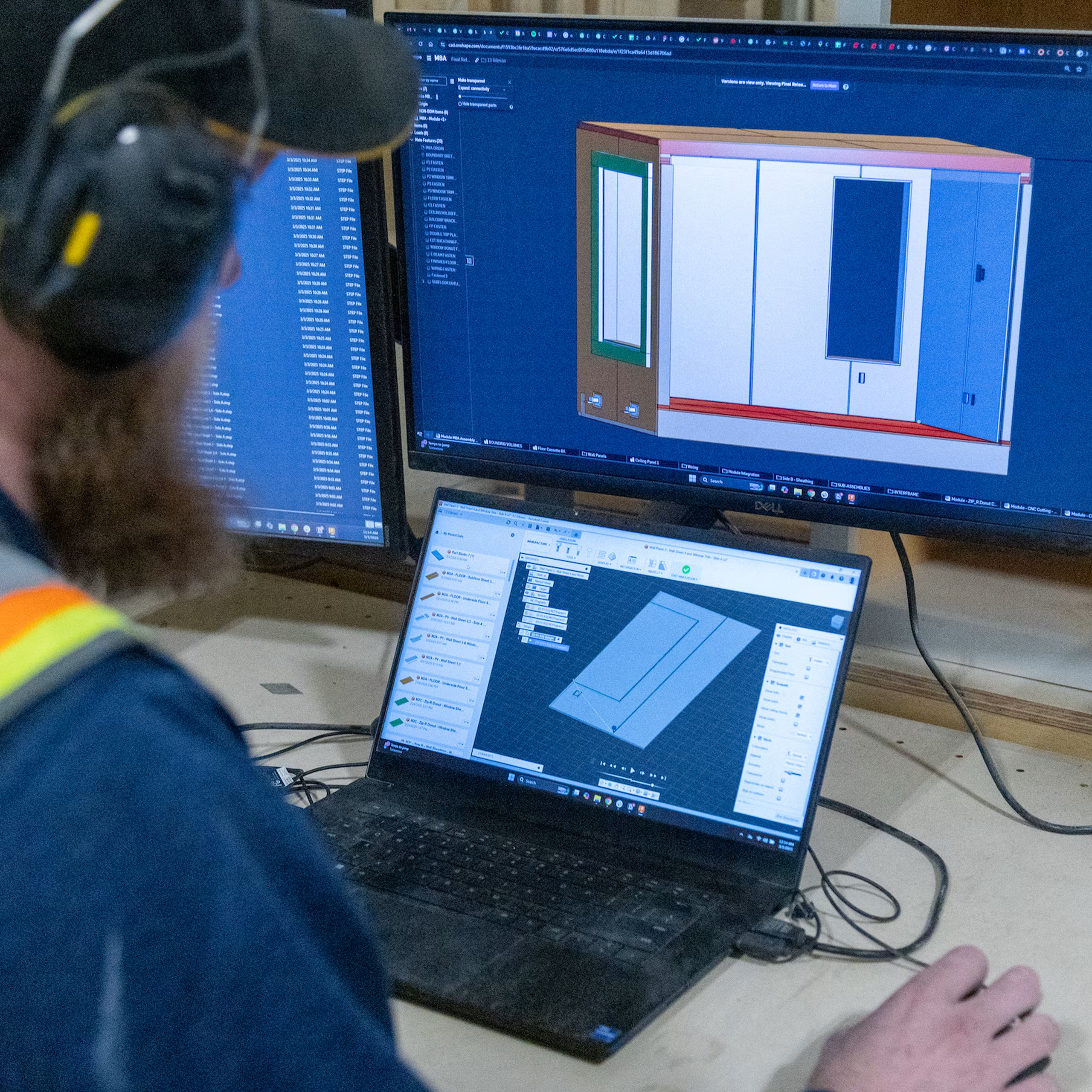
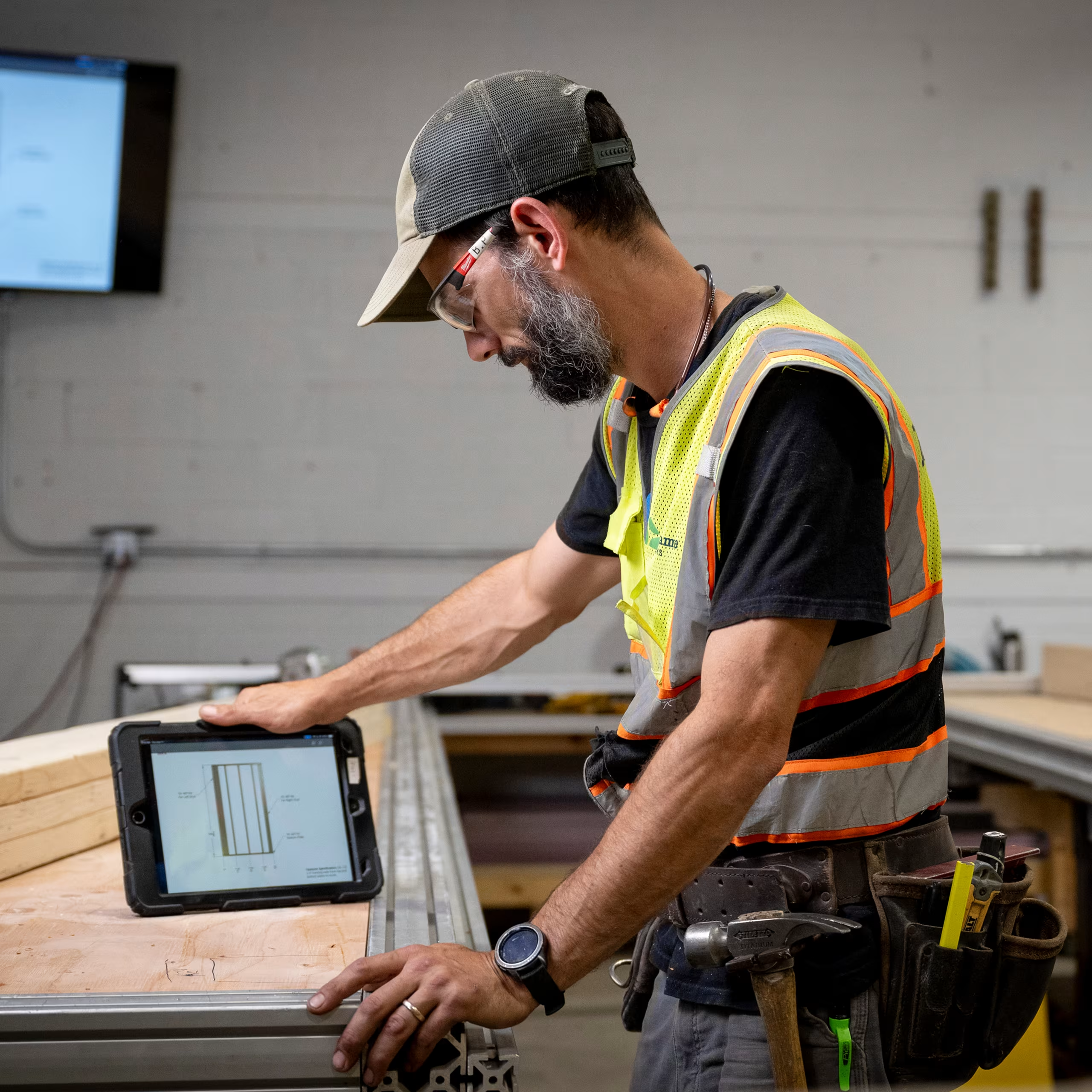
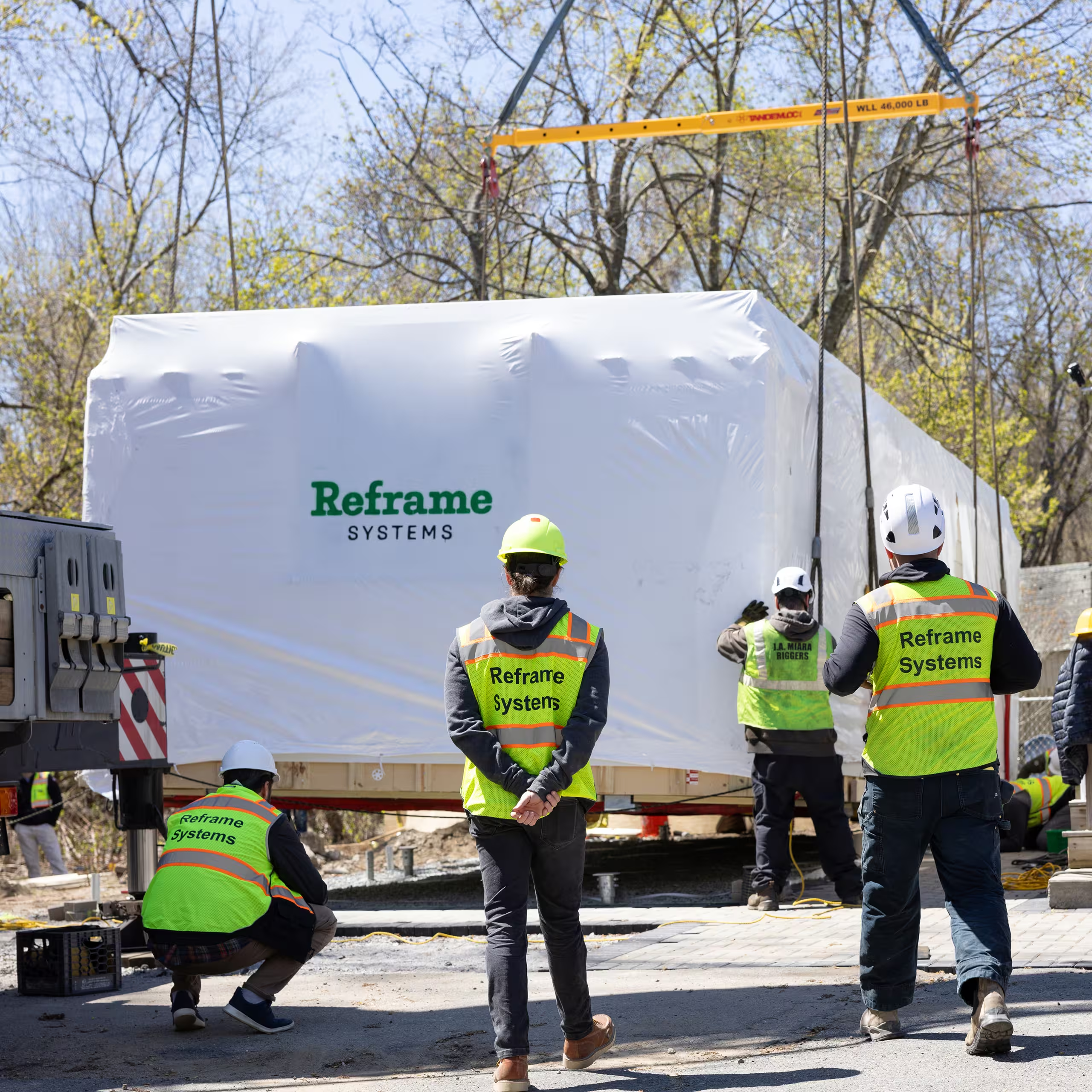
Our approach replaces those constraints with a more flexible, software-coordinated system that can support multiple building types within the same production environment. Automation and robotics are integrated to support modular workflows, not fixed production lines, allowing the system to adjust as projects and locations change. This distributed model also reduces reliance on long-distance transport and complex site logistics that have historically eroded the benefits of offsite construction.
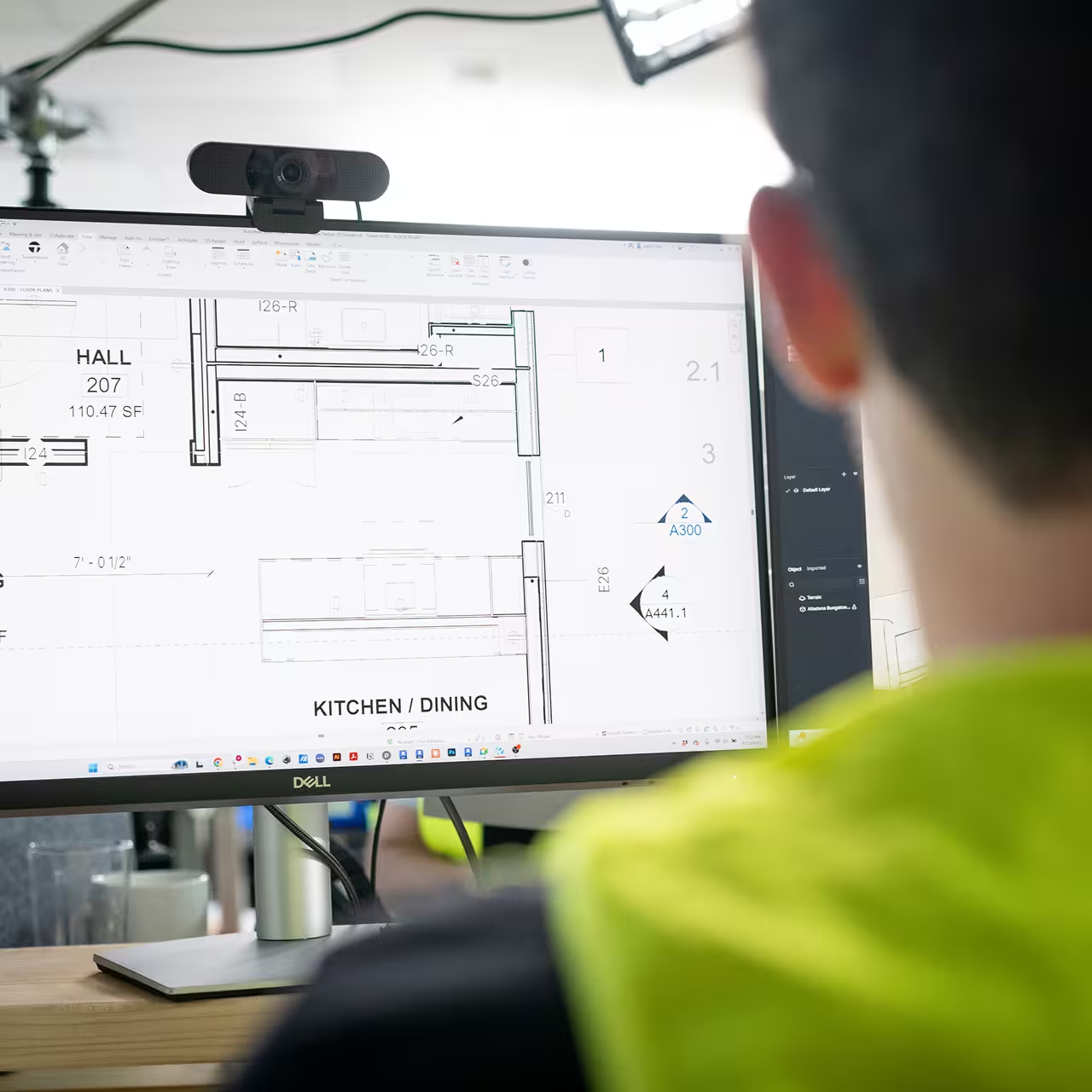
By owning more of the value chain and coordinating work across design, manufacturing, and field delivery, we’re able to improve consistency while maintaining flexibility. The result is a more adaptable path to delivering housing in markets where cost, speed, and access have been persistent challenges.


.avif)



.avif)

.avif)
.avif)



.avif)
.avif)
.avif)


.avif)


.avif)