
“Almost anything else you buy today, like my clothes, my laptop, my phone, less than 10% of these goods is labor, and housing has been 50/50 since the ’70s.”
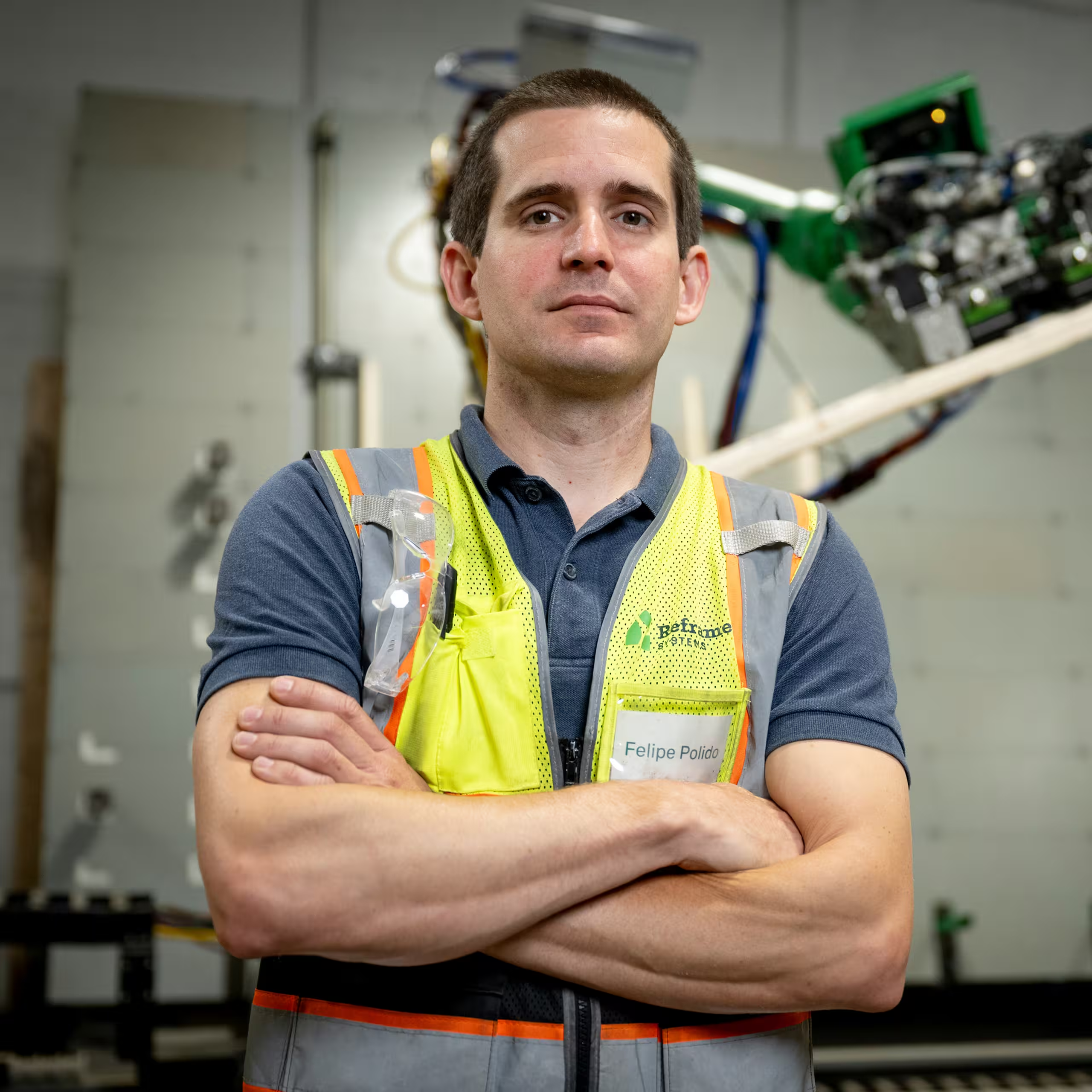
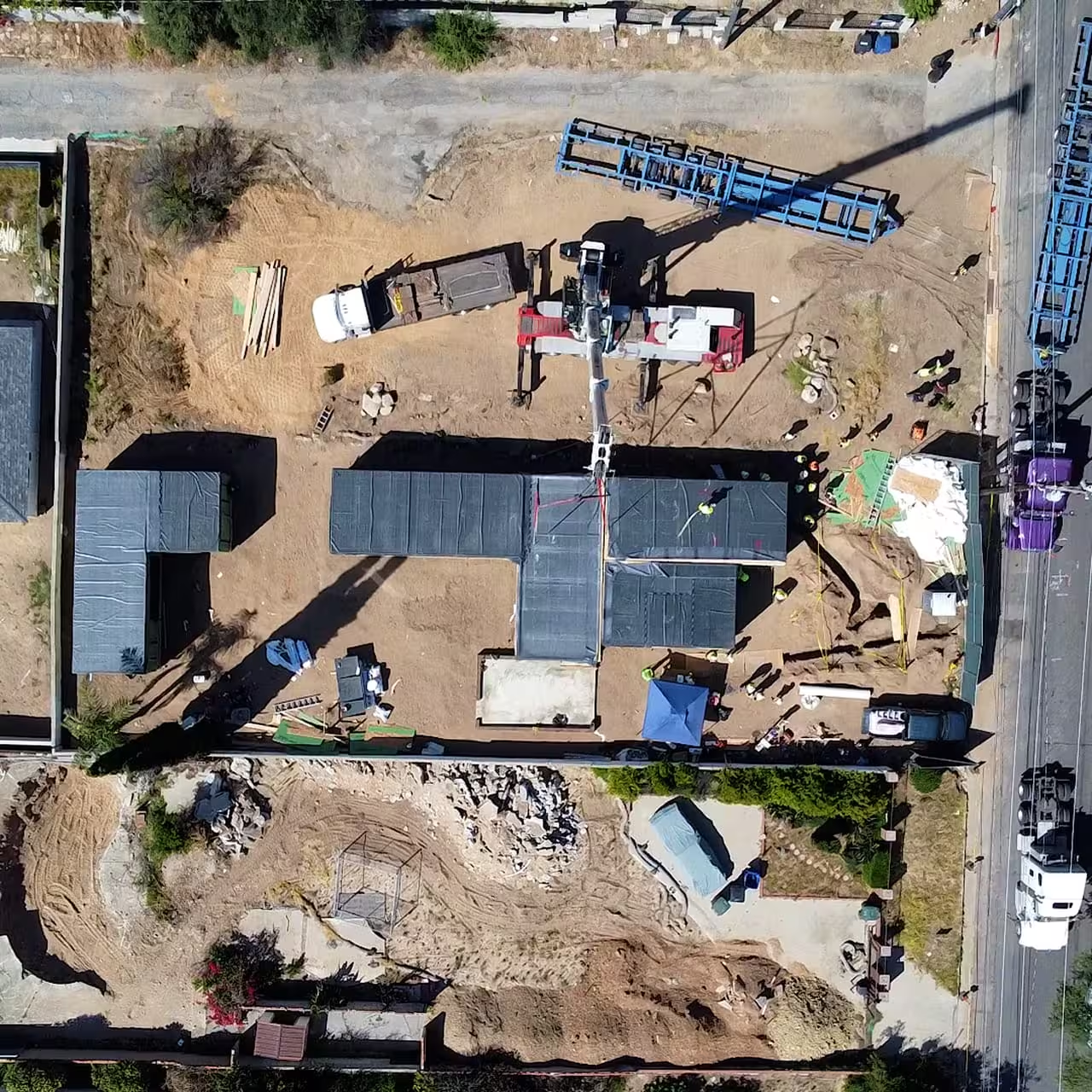
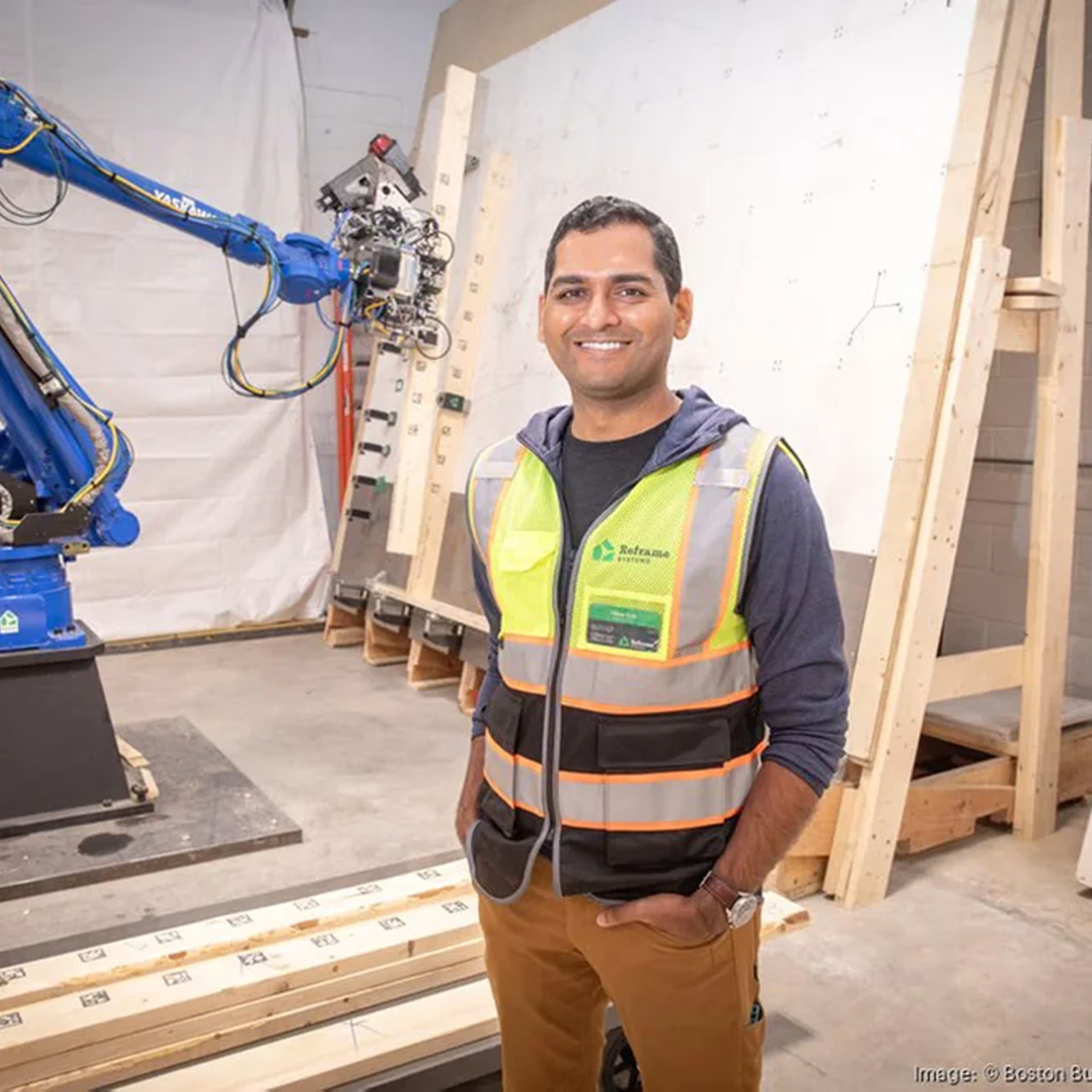
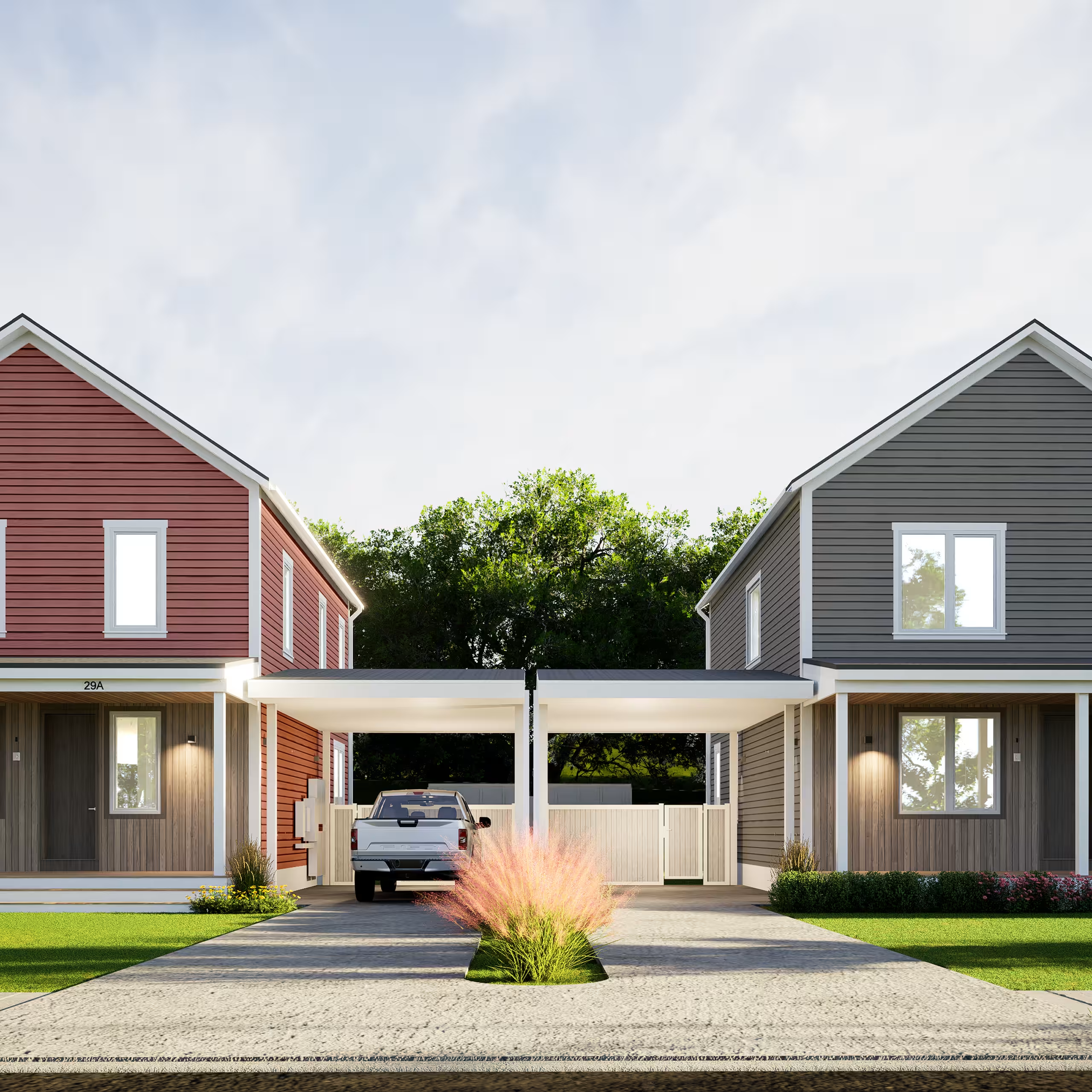
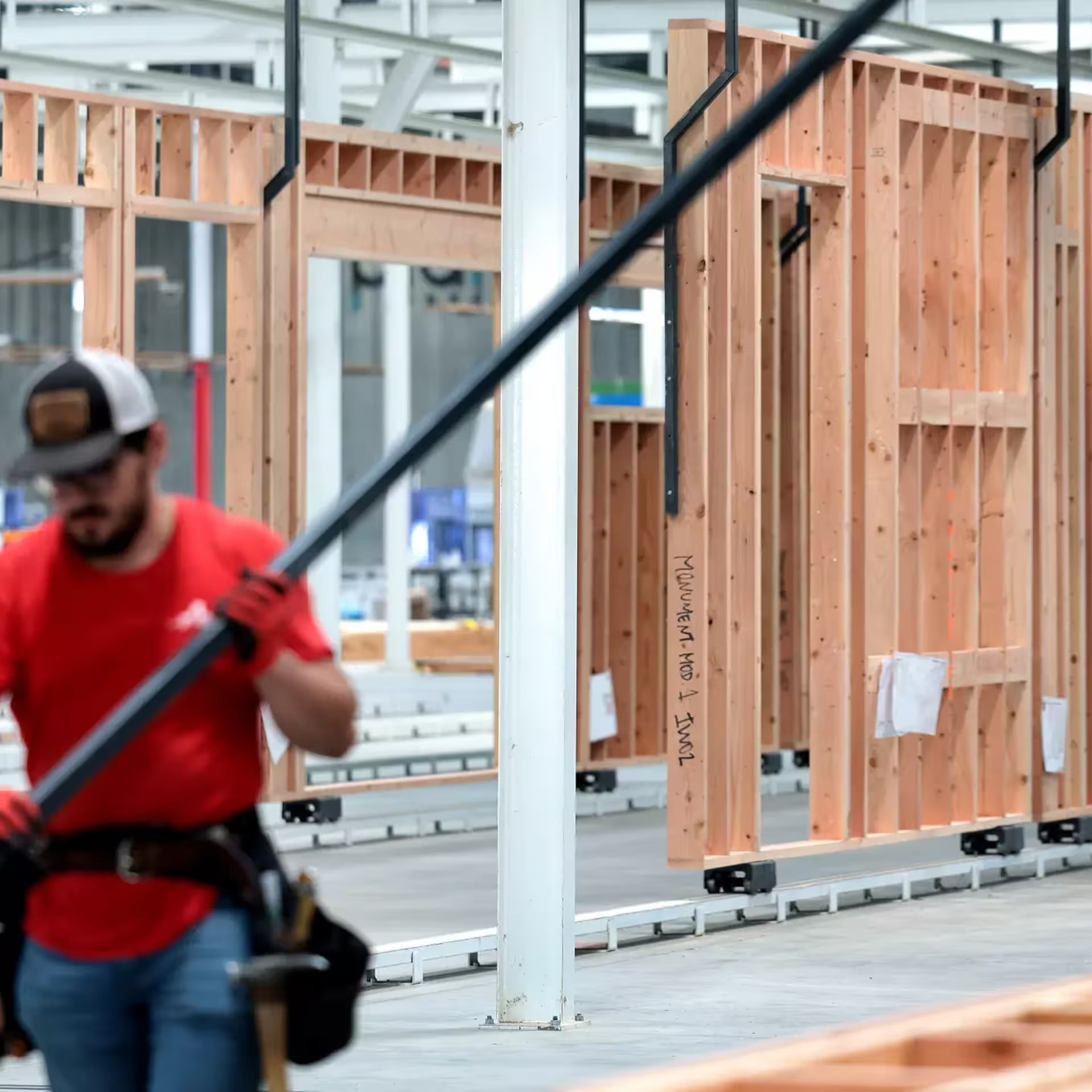
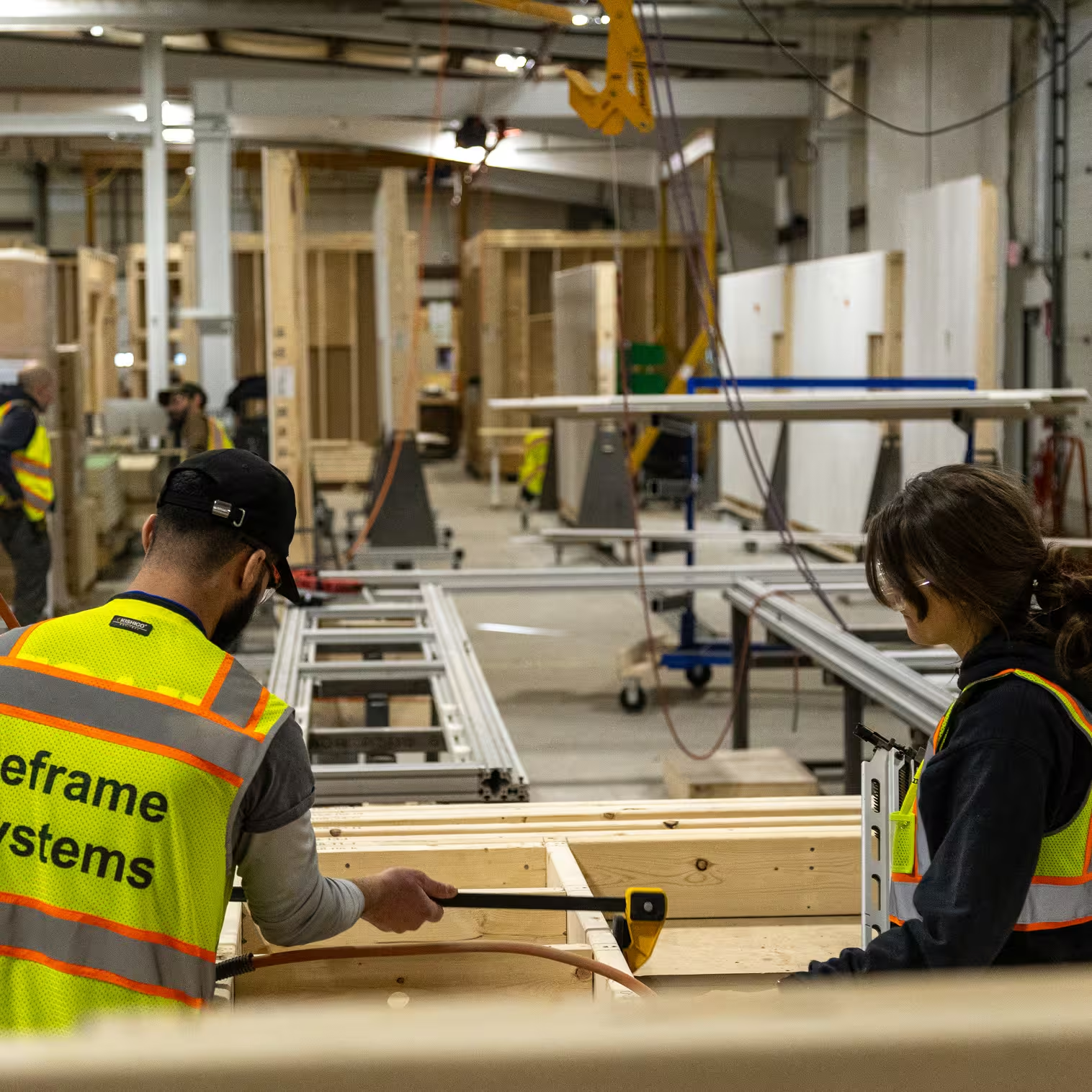
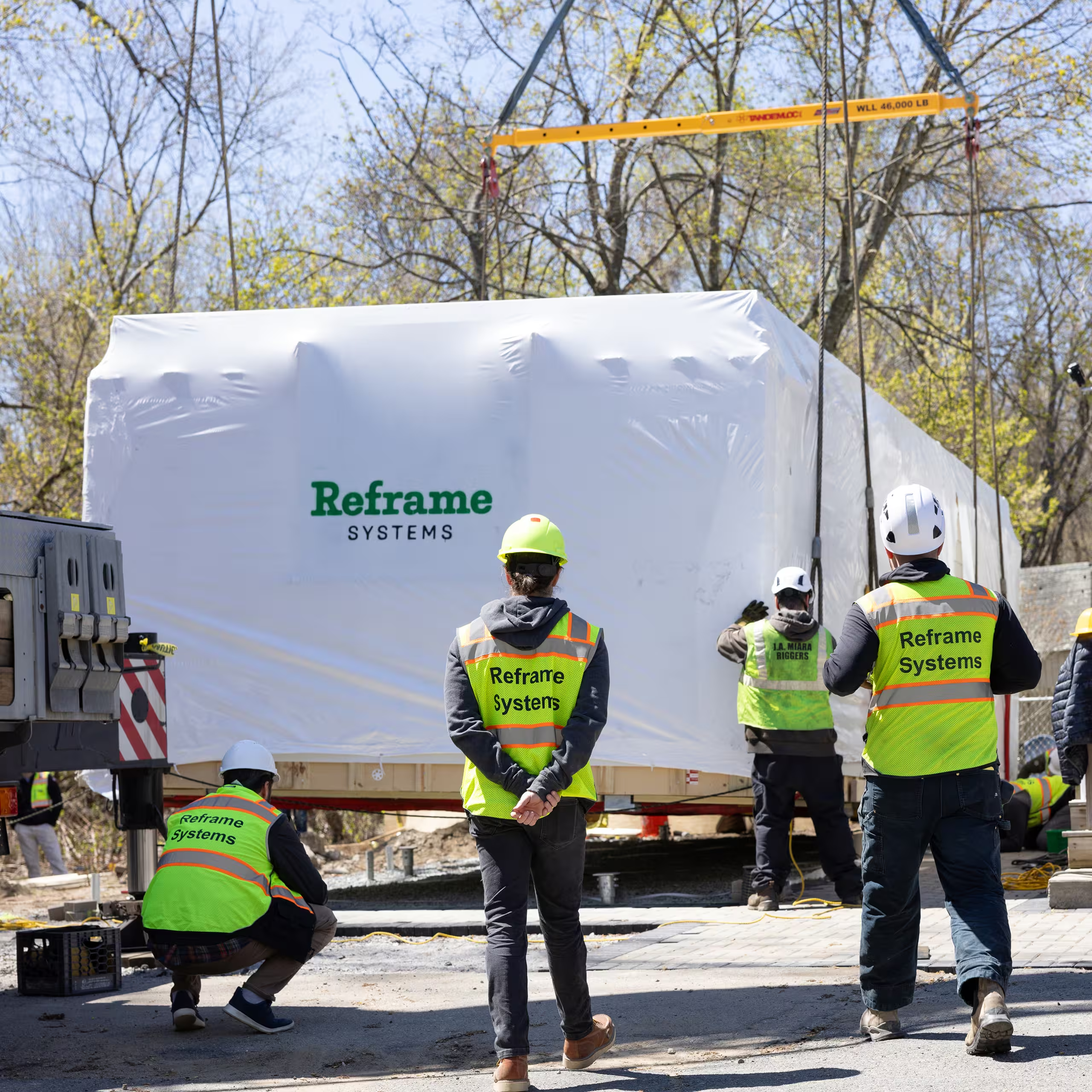
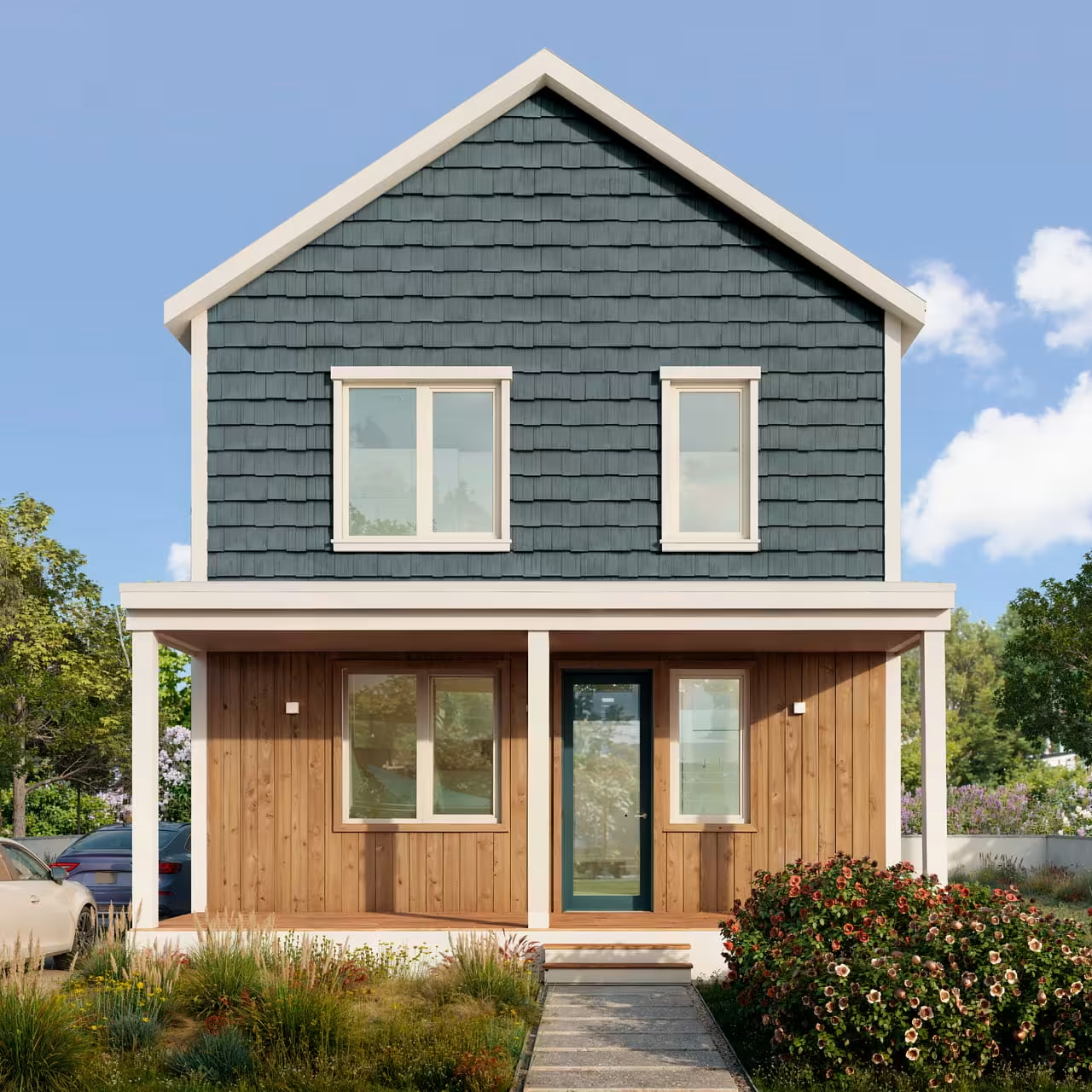
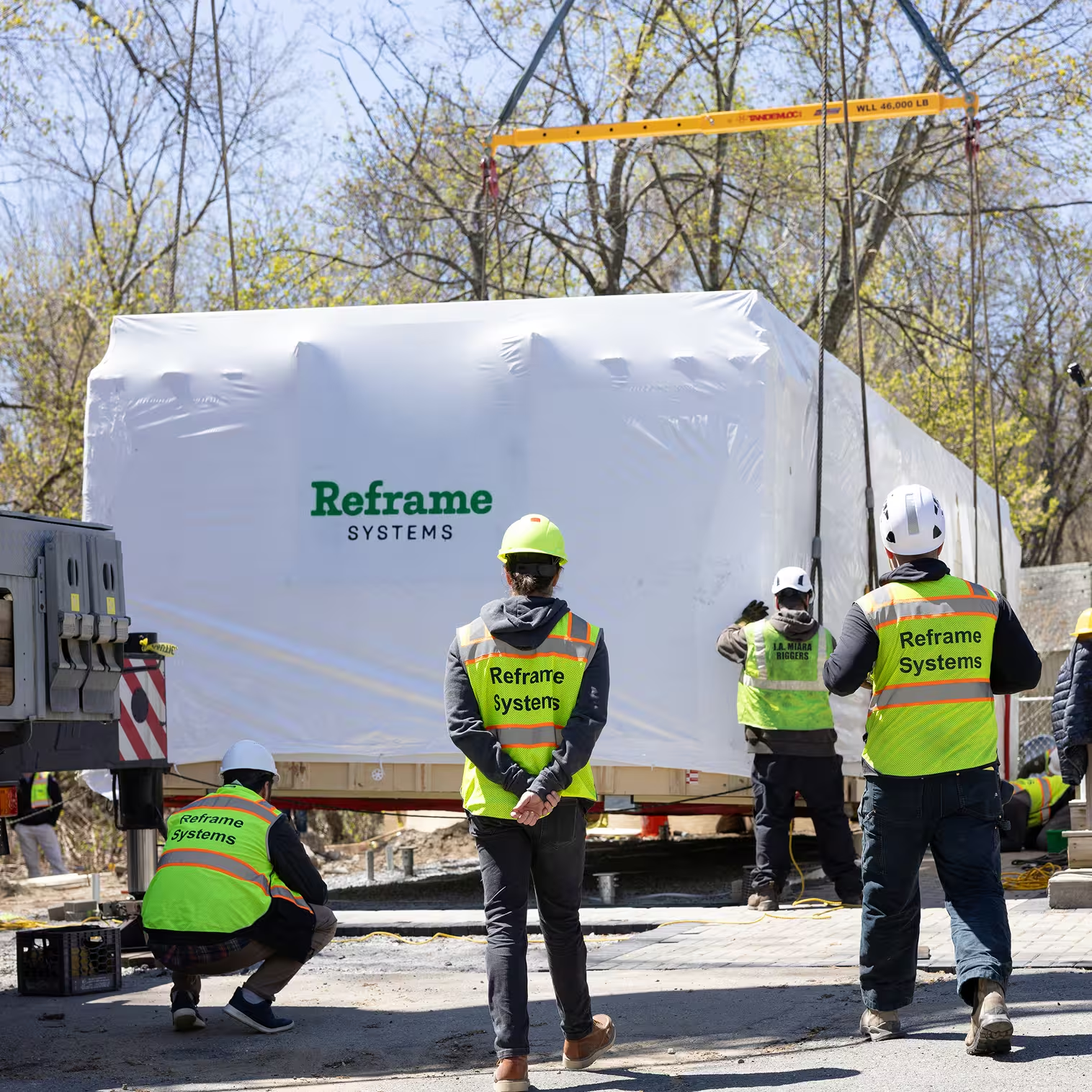
Our Co-Founder and CTO Felipe Polido made that case to Mayur Mistry on AEC Tech Journeys, walking through how software and robotics let us build many different kinds of homes efficiently. Within a month of starting Reframe, Felipe came up with the idea at the heart of our robotic framing cell: on/off magnets set into a flat steel panel, positioned by the robot to hold studs in place. The same system can build a 6-foot wall, an 8-foot wall, a diagonal wall, or a wall with a penetration, as long as the software supports the design. That flexibility lets one factory move across product types, from the 68-unit cabin village we’re preparing to build in New Hampshire to a large 5-over-1 multifamily building starting in 2027. Comparable European panel assembly systems cost $5 million to $10 million and are built around a single wall type.
Felipe’s advice for robotics founders entering construction is to start with the customer’s problem and do the work manually first. He noted that the tools we’ve built to support operators on the factory floor matter more to our production today than the robots themselves, with automation following over years as building systems and designs are simplified.
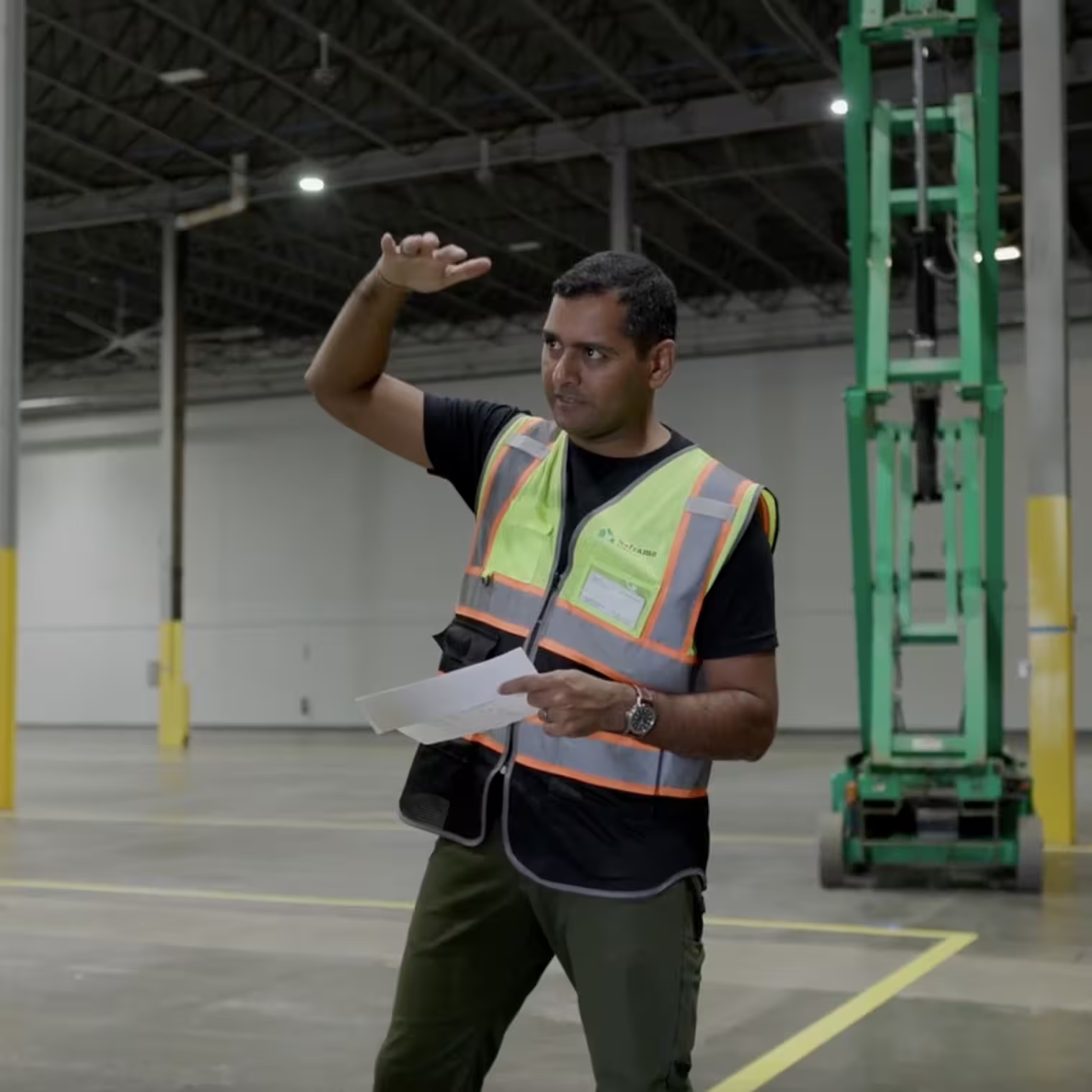
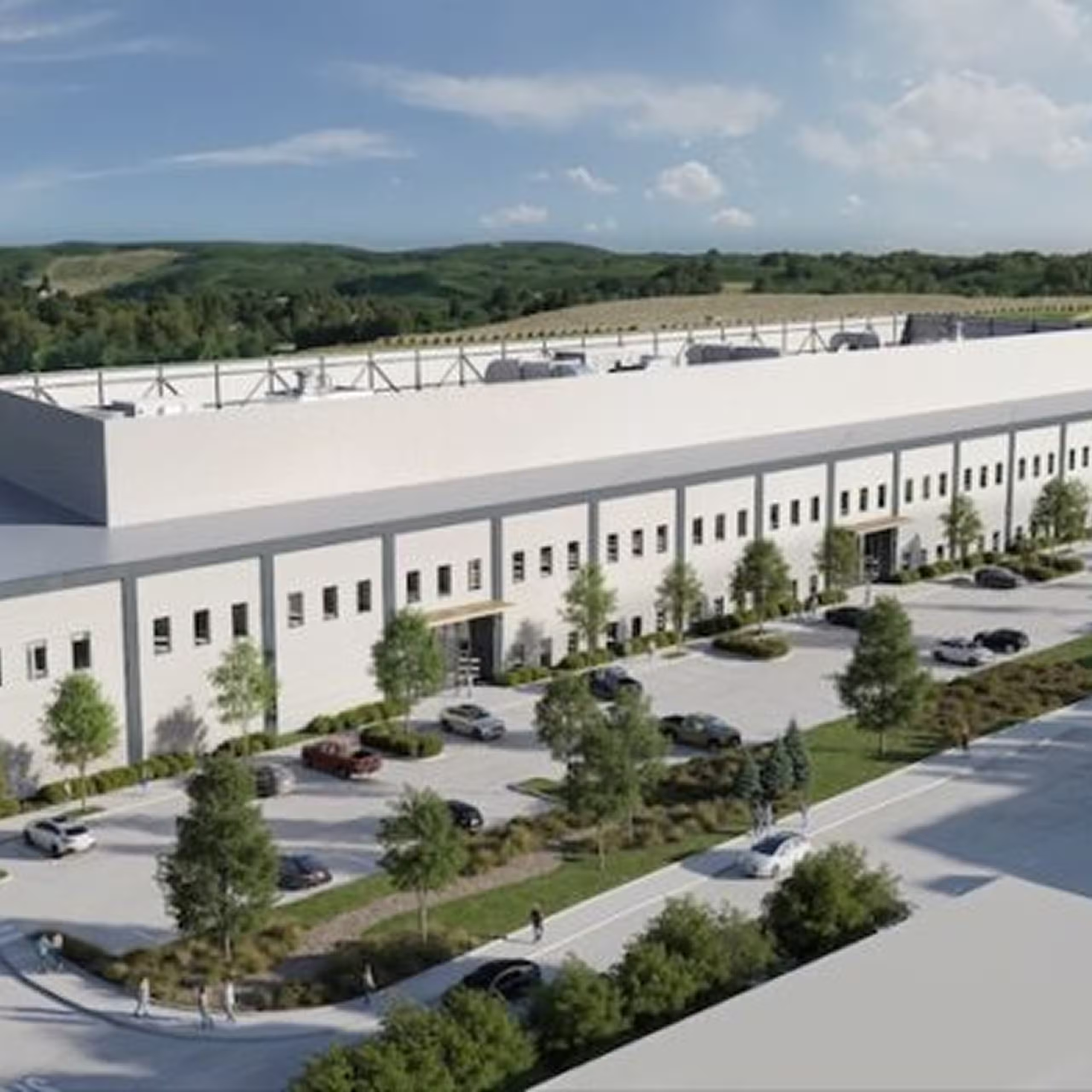
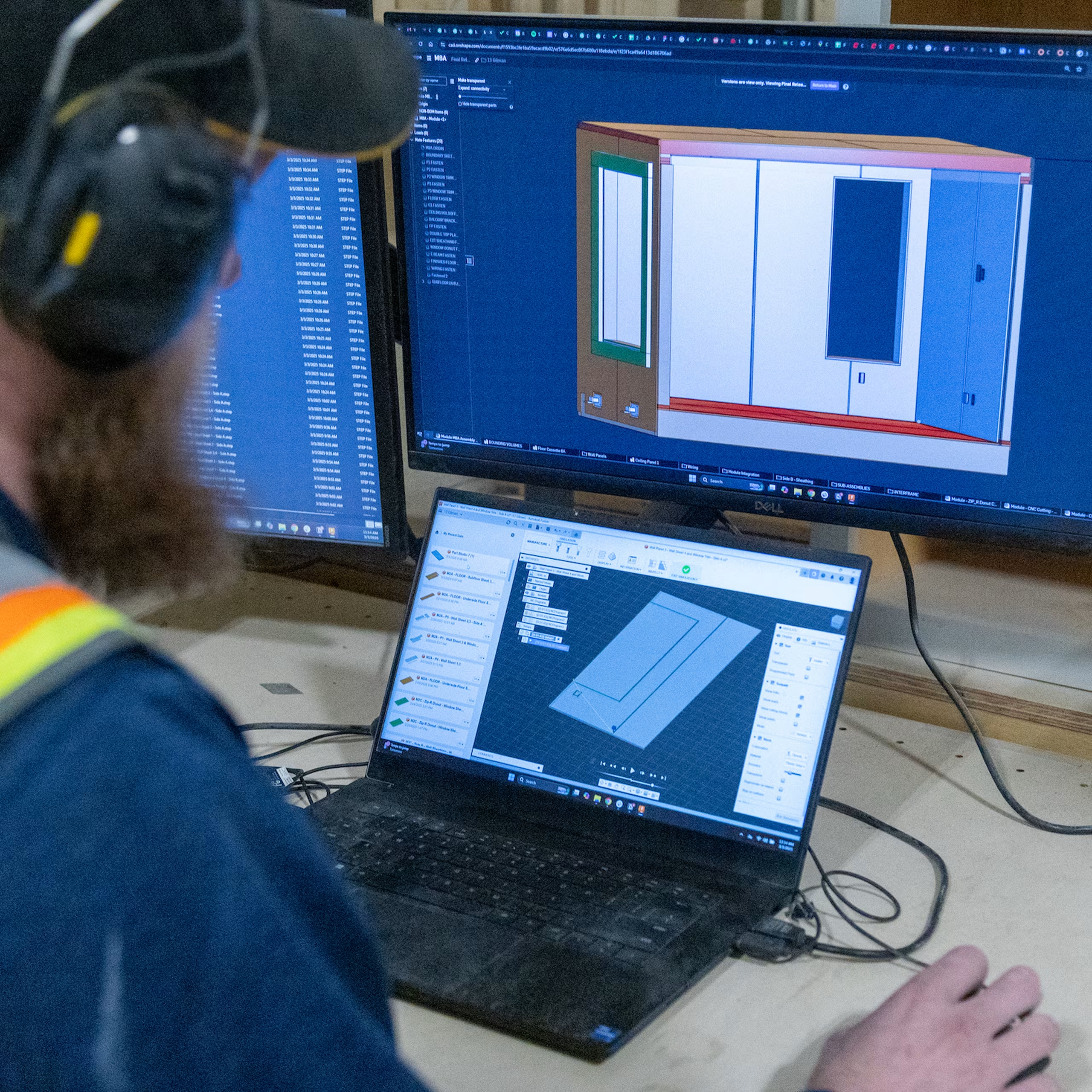
He also shared how the CTO role keeps evolving. With LLMs, he has written more code in the last nine months than in the previous six or seven years, building prototypes and tools like a factory camera system that flags when someone isn’t wearing a safety vest. His current focus is taking our new factory from shell to fully operational in 70 days, from sprinkler, electrical, and plumbing upgrades to moving the saws, CNC machines, and robot.